Types of blue gemstones range from timeless classics like sapphire and aquamarine to rare treasures such as benitoite and hauyne. Each stone offers its own color, clarity, durability, and meaning, making the category as broad as it is beautiful. This guide gives you a clear overview so you can understand every major blue gem before choosing one.
Table Of Contents
- 1) White Gold Chains For Men: Modern Style, Durability & Real Value
- 2) Understanding White Gold: Composition, Alloys & Metal Purity
- 3) Most Popular White Gold Chain Styles for Men
- 4) Top Recommended White Gold Chains for Men (Curated Buyer’s Guide)
- 5) White Gold Chain Lengths, Widths & Styling Tips for Men
- 6) Pricing Guide: How Much Do White Gold Chains Cost?
- 7) White Gold Maintenance, Cleaning & Long-Term Care
- 8) White Gold Chains vs Yellow Gold, Silver & Platinum
- 9) FAQs About Men’s White Gold Chains
- 10) Conclusion.

|
1) Introduction To The World Of Blue GemstonesBack To Top |
Blue gemstones instantly draw your eyes because they mix beauty with a sense of calm. You see them in modern jewelry, ancient artifacts, and high-value collections, which shows how deeply people connect with blue color.
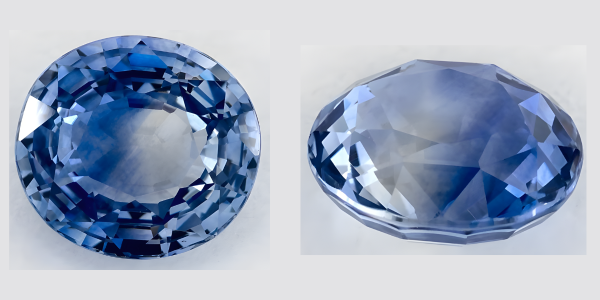
2.02 Carat Oval Natural Blue Sapphire |
|
| Click Now To Discover Why This 2.02 Carat Oval Natural Blue Sapphire Is A Top Pick! |
You’ll notice that blue gems come in many shades, personalities, and price ranges. Some sparkle with intense brilliance, while others glow with soft pastel hues. The variety makes it easier for you to find a stone that matches your taste, budget, and the type of jewelry you prefer.

|
1.a) Why Blue Gemstones Fascinate Jewelry LoversBack To Top |
People often fall in love with blue stones because the color feels peaceful and expressive at the same time. You might feel drawn to them for their rich tones or the steady sense of elegance they bring to rings, necklaces, and bracelets. Many buyers also look at blue gemstones as meaningful gifts, since the shade symbolizes trust, loyalty, and wisdom.
Collectors enjoy blue stones because they offer so many rare shades and optical effects. Some stones shift their color, others show internal sparkles, and a few even display eye-catching patterns. As you explore them further, you’ll see how each stone carries its own charm and history.
The Emotional Pull Of Blue Tones
Blue tends to soothe your mind in a way very few colors can. Some people feel a sense of clarity while wearing light blue stones like aquamarine, while others prefer the depth of navy sapphires for their bold and confident look. These emotional associations make blue gemstones feel personal, almost like you’re carrying a quiet companion that reflects your mood.
Cultural And Historical Significance Of Blue Stones
Throughout history, people treasured blue gems for protection, status, and spiritual meaning. Ancient Egyptians valued lapis lazuli as a sacred stone, while royals in Europe used sapphires to symbolize truth and honor. You can still see traces of these beliefs today in fine jewelry designs inspired by tradition and old-world craftsmanship.
How Blue Gemstones Became A Luxury Symbol
For centuries, blue gems appeared in crowns, royal rings, and ceremonial pieces, which helped them gain a reputation for luxury. Even today, many buyers choose sapphire engagement rings to express stability and deep commitment. Whenever you see a rich blue gemstone in a gold or platinum setting, it instantly feels elevated, almost like it carries a quiet sense of prestige.
|
|
1.b) Understanding The Diversity Among Blue StonesBack To Top |
You’ll find that blue gemstones differ wildly in clarity, hardness, value, and optical properties. Some gemstones sparkle like ice, while others show soft, velvety blues or vivid electric hues. This range gives you plenty of room to experiment with color and choose stones that match your style.
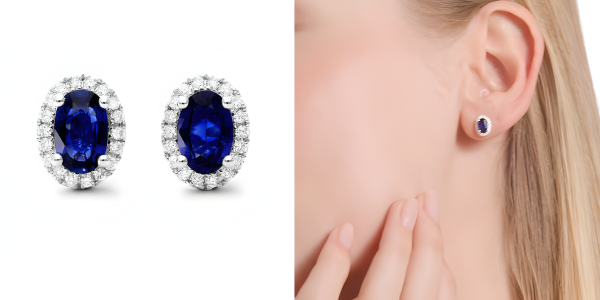
Oval Cut Sapphire And Diamond
|
|
| Click To Explore This Stunning Oval Cut Sapphire And Diamond Halo Earrings In 18k White Gold Before It’s Gone! |
Different types of blue gems respond differently to light, heat, and daily wear. You’ll see terms such as precious, semi-precious, untreated, heat-treated, and lab-grown. Each category affects how a gemstone looks and behaves over the years, so learning the basics helps you make smarter buying decisions.
Precious vs Semi-Precious Blue Gemstones
Precious blue stones like sapphire and blue diamond generally sit at the top of the value scale because of their rarity and durability. Semi-precious stones, such as turquoise, lapis lazuli, and blue topaz, offer beautiful color and strong appeal at more comfortable price points. You get two different experiences, which means you can enjoy blue gemstones whether you’re shopping for luxury jewelry or something more casual.
Natural, Treated, And Lab-Grown Blue Gems
Natural blue gemstones develop underground over millions of years, giving each one a slightly unique character. Treated stones receive enhancements such as heating or stabilization to improve color or durability, which makes them more accessible in price. Lab-grown gems offer the same chemical makeup as natural stones but form in controlled environments, giving you a clean and consistent option with fewer inclusions.
Light, Medium And Deep Blue Color Categories
Gem dealers often classify blue stones by shade because color strongly affects price and desirability. Light blue gems like aquamarine and sky-blue topaz feel refreshing and airy, while medium blue stones such as zircon or larimar bring balanced color without overwhelming intensity. Deep blue stones like sapphire and London blue topaz create a richer, bolder look that stands out instantly in rings and pendants.
|
|
2) Types Of Blue Gemstones: A Complete Master ListBack To Top |
Blue gemstones appear in many shades and price levels, giving you endless choices as you explore color and character. You’ll discover classic favorites, rare collector stones, and popular affordable options that still deliver strong visual beauty. This master list helps you compare them easily so you can pick the gems that match your taste and budget.
|
|
2.a) Precious Blue GemstonesBack To Top |
These gemstones hold the highest value because they combine rarity, durability, and strong demand among collectors. You’ll see them used in engagement rings, premium pendants, and fine jewelry pieces where long-term beauty matters. Their deep colors and natural brilliance attract buyers who want something remarkable.
Sapphire: The Most Iconic Deep Blue Gem
Sapphire is admired for its rich blue color that ranges from velvety midnight shades to vibrant royal blues. You get excellent durability since sapphire ranks high on the Mohs scale, making it ideal for rings you wear every day. Many people choose sapphire for its timeless appeal and the confidence that it stays beautiful even after years of use.
Blue Diamond: Ultra-Rare And High Value
Blue diamonds form when traces of boron enter the crystal, giving them their signature color. You’ll find extremely limited natural sources, which is why their price stays high and demand never fades. If you want a gemstone that mixes rarity, brilliance, and status, a blue diamond instantly stands out.
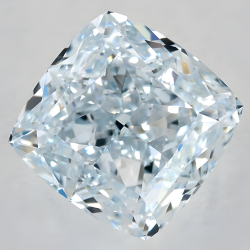
Gia 2.29 Carat Cushion Diamond |
|
| This Gia 2.29 Carat Cushion Diamond Deserves Your Attention — Tap To Learn More! |
Tanzanite: A Modern Blue-Violet Marvel
Tanzanite displays an exciting mix of blue and violet that changes slightly under different lighting. Since it comes from only one region in Tanzania, the stone feels exclusive and collectible. You may find its color especially appealing if you love gems that look expressive and full of life.
|
|
2.b) Highly Valued Semi-Precious Blue StonesBack To Top |
These stones offer vibrant color and strong presence without the price of precious gems. You can explore both soft and intense blues that suit many kinds of jewelry. They look especially good in pendants, statement earrings, and cocktail rings.
Aquamarine: Pale Blue Clarity And Sparkle
Aquamarine shines with a clean, watery blue that feels fresh and calming. Because many aquamarines have good clarity, they create a bright sparkle under natural light. You may enjoy aquamarine if you prefer subtle color that still carries a refined look.
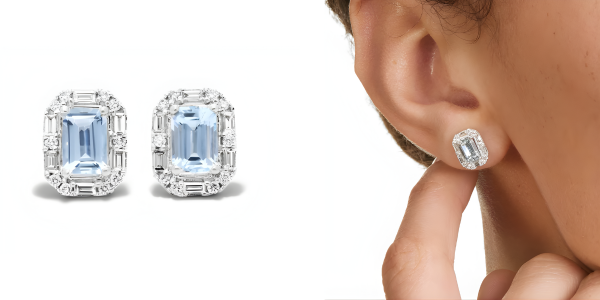
Allure Aquamarine And Diamond Halo
|
|
| Tap To Reveal Full Details Of This Elegant Allure Aquamarine And Diamond Halo Earrings In 14k White Gold! |
Blue Zircon: Bright Fire And High Brilliance
Blue zircon delivers a powerful flash of light that makes it look lively from every angle. Its shades range from soft sky blue to stronger Caribbean hues. This stone works beautifully in rings and earrings where brilliance plays a big role in the design.
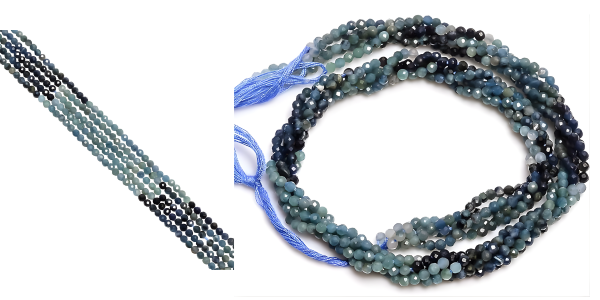
Blue Tourmaline (Indicolite): Rare And Richly Saturated
Indicolite shows deep teal and blue shades that feel rich and dramatic. Clean, vivid pieces are hard to find, which adds to its charm. If you want a gemstone with strong saturation and natural character, indicolite gives you something unique.
3 Mm Natural Blue Tourmaline
|
|
| Click Now To Discover Why This 3 Mm Natural Blue Tourmaline Shaded Faceted Round Rondelle Beads Is A Top Pick! |
|
|
2.c) Popular And Affordable Blue GemstonesBack To Top |
These stones help you enjoy beautiful blue color at friendly prices, which makes them ideal for daily-wear jewelry. You’ll find plenty of shades, from soft pastels to intense inky tones. Their availability gives you the freedom to experiment with color.
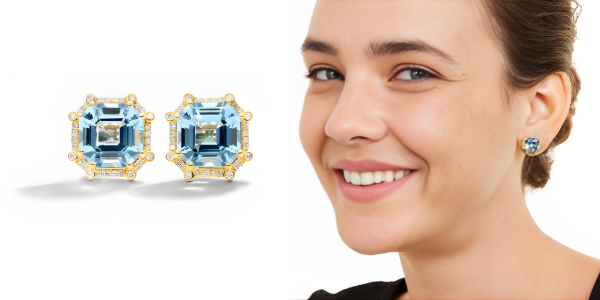
Blue Topaz: Sky Blue, Swiss Blue And London Blue
Blue topaz comes in three familiar shades, giving you a full spectrum of blues in one gemstone family. Sky Blue feels soft and airy, Swiss Blue looks bright and cheerful, and London Blue brings deeper, dramatic tones. Each version sparkles cleanly, making blue topaz a favorite for rings and necklaces.
Octagon Sky Blue Topaz And Diamond
|
|
| Find Out What Makes This Octagon Sky Blue Topaz And Diamond Frame Earrings In 18k Yellow Gold A Must-have Piece! |
Turquoise: Ancient Protection Stone
Turquoise carries history, culture, and a sense of identity through its blue-green tones and natural matrix patterns. Each piece feels different, which adds charm to rings, amulets, and bohemian-style jewelry. Many people value turquoise for its protective symbolism and earthy beauty.
Lapis Lazuli: Intense Royal Blue With Gold Flecks
Lapis lazuli stands out with its bold royal blue color dotted with golden pyrite flecks. Its opaque nature gives jewelry a strong artistic presence. If you appreciate stones with ancient roots and unmistakable character, lapis offers a striking option.
Kyanite: Natural Sapphire-Like Blues
Kyanite shows vivid blue shades that resemble high-quality sapphire. The stone often forms with natural color zoning, which adds depth and interest. You’ll find it especially attractive in earrings or pendants where its unique look can shine.
Iolite: The “Water Sapphire” With Pleochroism
Iolite shifts between blue, violet, and gray depending on how the light hits it, creating a dynamic look. This pleochroism gives the gem a personality that changes slightly with each angle. You may enjoy iolite if you like stones that feel mysterious and gently shifting.
Larimar: Caribbean Blue With Cloudy Patterns
Larimar shows dreamy sky-blue and turquoise shades mixed with soft white patterns. Its gentle colors remind many people of tropical seas and clear summer skies. You’ll often see larimar shaped into smooth cabochons, which highlight its natural charm.
|
|
2.d) Rare And Collector-Focused Blue StonesBack To Top |
Some blue gemstones appear in such small quantities that collectors keep a close eye on the market. These stones may be tiny, but they still show exceptional color and uniqueness. They attract buyers who want something truly uncommon.
Blue Spinel: A Luxe, Underrated Treasure
Blue spinel offers clean, vibrant color and strong durability without needing enhancement. It remains less known than sapphire, giving it a sense of quiet luxury. Collectors who seek naturally formed gems often appreciate blue spinel for its honesty and elegance.
Benitoite: The State Gem Of California
Benitoite displays bright, sparkling blue tones with strong light dispersion. Since it comes from only a few small deposits, finding a well-cut stone feels special. Its rarity and beauty make benitoite a prized addition to gemstone collections.
Hauyne: Brilliant Blue But Extremely Scarce
Hauyne shows an intense ultramarine blue that immediately grabs your attention. You’ll usually find it only in tiny sizes due to its scarcity. Even though it’s rare in jewelry, it brings striking visual appeal when set carefully.
Vivianite: Blue-Green And Delicate
Vivianite features a shifting blue-green color that deepens with light exposure. Because it’s soft, it appears more often in mineral collections than in daily-wear jewelry. Still, its changing tones give it an almost living quality that fascinates enthusiasts.
Azurite: Deep Blue Copper Mineral
Azurite forms with saturated blues that feel earthy and expressive. Its patterns come from natural copper deposits, giving each stone a distinctive look. While softer than many gems, it can create bold and artistic jewelry designs when handled thoughtfully.
|
|
3) Identifying Blue Gemstones By Color ShadeBack To Top |
Blue gemstones show different personalities depending on whether the color is light, medium, or deep. You’ll find that each shade carries its own mood, sparkle, and visual impact. Understanding these categories helps you choose stones that match your taste and the style of jewelry you prefer.
|
|
3.a) Light Blue GemstonesBack To Top |
Light blue stones feel refreshing and gentle, giving jewelry a soft and airy look. You’ll notice that these gems often have a calming effect because their pale tones echo clear skies and clean water. They work beautifully in rings, pendants, and earrings where you want a peaceful, graceful touch.
Aquamarine’s Icy Pastel Blues
Aquamarine brings a cool, pastel blue that feels almost icy in its clarity. Many stones appear clean and bright, helping the color sparkle under natural sunlight. If you want a gemstone that expresses calmness and simple elegance, aquamarine gives you a look that stays gentle on the eyes.
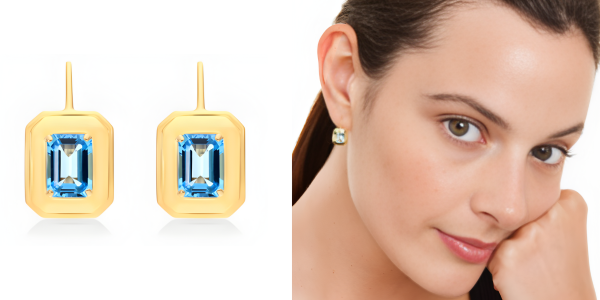
Sky Blue Topaz And Its Airy Sparkle
Sky blue topaz shows a cheerful blue that reminds you of open skies on a clear day. Its crisp clarity helps it reflect light sharply, giving the gem a bright, energetic presence. You may enjoy sky blue topaz if you prefer a lighter blue that still delivers noticeable brilliance.
Sky Blue Topaz Frame Leverback
|
|
| Get The Scoop On This Sky Blue Topaz Frame Leverback Earrings In 18k Yellow Gold Before It’s Sold Out! |
Soft Blue Chalcedony And Angelite
Chalcedony and angelite offer milky, soft blue tones that feel smooth and soothing. Chalcedony gives a subtle glow, while angelite shows a more powdery look with a gentle surface. These gemstones work well in jewelry pieces that aim for a calm and quiet character instead of sparkle.
|
|
3.b) Medium Blue GemstonesBack To Top |
Medium blue stones balance brightness and depth, giving you a color that works well with nearly any metal. You’ll see shades that stand out without feeling too bold or too pale. These gems offer a versatile middle ground that suits both casual and formal jewelry.
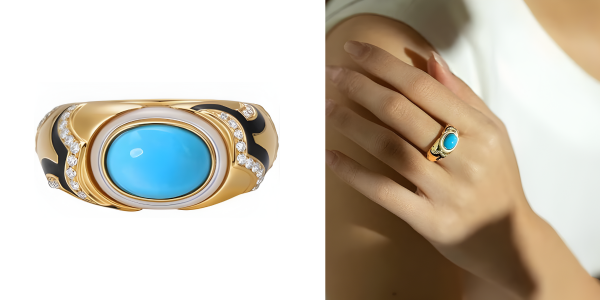
Turquoise’s Blue-Green Spectrum
Turquoise moves between blue and green, creating a lively and earthy range of colors. Its natural matrix patterns form unique lines and shapes that make each piece feel personal. If you enjoy stones with a strong cultural legacy and bold character, turquoise adds warmth and identity to any design.
18k Yellow Gold Ring With Birthstone Turquoise |
|
| This 18k Yellow Gold Ring With Birthstone Turquoise Deserves Your Attention — Tap To Learn More! |
Larimar’s Caribbean Splash Tones
Larimar displays breezy sea-blue tones that look like Caribbean waters. Its swirling white patterns make the gem feel light, dreamy, and full of summer-like energy. You’ll often see larimar shaped into polished cabochons that show off its natural cloud-like patterns.
Medium Blue Zircon And Spinel
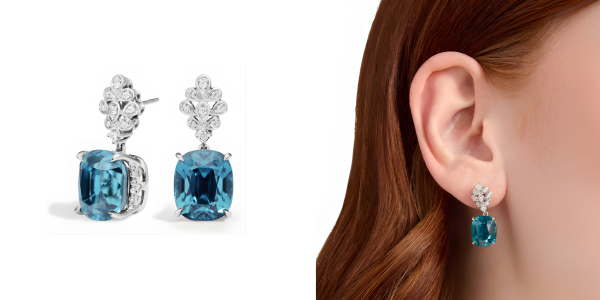
Zircon and spinel both offer clear, balanced blue tones that show strong brilliance. Zircon flashes brightly due to its high refractive index, while spinel gives a clean and natural look without treatments. These stones are great choices if you want medium blue color with dependable sparkle and durability.
Blue Zircon And Diamond Drop
|
|
| Fall In Love With The Sparkle — Click To View This Blue Zircon And Diamond Drop Earrings In 18k White Gold! |
|
|
3.c) Deep Blue And Dark Blue GemstonesBack To Top |
Deep blue gems bring drama and intensity, making them ideal for statement pieces. Their strong saturation gives jewelry a confident, powerful presence. You’ll see these stones used often in rings and premium pieces where rich color matters the most.
Navy And Royal Blue Sapphires
Sapphire shows some of the deepest and most luxurious blue shades in the gemstone world. Navy sapphires feel strong and serious, while royal blue varieties offer vivid brightness. Because of their hardness, they stay beautiful even with frequent wear, making them a reliable choice for everyday rings.
London Blue Topaz’s Inky Depth
London blue topaz delivers a bold, inky blue that stands out instantly. This darker shade gives jewelry a polished, modern feel with a hint of mystery. If you prefer deeper color that still reflects clean light, London blue topaz offers a striking balance.
Lapis Lazuli’s Opaque Deep Blue
Lapis lazuli presents a rich, opaque blue with golden pyrite specks that add character. Its bold color expresses strength and artistry, making it a favorite for statement pieces and culturally rooted jewelry. You may find lapis especially appealing if you enjoy gemstones that feel historic and unmistakably unique.
|
|
4) How Gemologists Classify Blue GemstonesBack To Top |
Blue gemstones follow specific grading rules that help you understand their value and appearance. You’ll notice that color, clarity, and transparency all play major roles in how a gemstone looks and performs in jewelry. Learning these basics makes it easier for you to compare stones and choose those that match your expectations.
|
|
4.a) Color Quality And SaturationBack To Top |
Color stands at the center of blue gemstone grading because it affects beauty more than any other factor. You’ll see experts examine hue, tone, and saturation to decide how vibrant or soft a stone appears. Stronger color usually creates more impact, while lighter shades offer a gentler look.
Hue, Tone And Saturation Basics
Gemologists look at hue to understand the main color of a gemstone, such as pure blue or blue with hints of green or violet. Tone describes how light or dark the color appears, while saturation reflects the strength and intensity of the shade. When these three elements balance well, the stone delivers a rich, appealing blue that catches your eye instantly.
Color Zoning And Its Impact On Value
Color zoning appears when different areas of a gemstone show uneven or patchy color. You’ll often notice it in stones like kyanite or sapphire, where the blue may look darker in one spot and lighter in another. Although zoning doesn’t always reduce beauty, it can lower value if it distracts from the overall appearance or affects the gem’s symmetry.
Why Some Blue Gems Shift Color In Light
Certain blue gemstones shift slightly in color because their internal structure interacts with different lighting conditions. You may see shades change between blue, violet, and gray in stones like iolite and tanzanite. This natural effect gives them personality and makes them feel more expressive when you move from indoor to outdoor light.
|
|
4.b) Transparency And Clarity GradesBack To Top |
Transparency affects how much light passes through a gemstone and how clearly you can see into it. You’ll find blue gems that range from crystal-clear to soft and hazy, each offering a different look. Clarity grades help you understand whether inclusions appear easily or stay hidden within the gem.
Transparent, Translucent And Opaque Types of Blue gemstones
Transparent gemstones like aquamarine and blue zircon allow light to pass through cleanly, creating strong sparkle and brightness. Translucent stones such as larimar soften the light, giving the gem a gentle glow with muted detail. Opaque choices like lapis lazuli rely on rich surface color instead of internal depth to make a strong visual impression.
Common Inclusions In Blue Gemstones
Blue gemstones may show inclusions such as tiny crystals, needles, or internal lines formed during growth. Sapphires sometimes contain rutile silk, while kyanite can show fibrous structures that create natural texture. These inclusions help experts identify the gem and confirm that it formed naturally, even if they occasionally affect clarity.
How Clarity Impacts Pricing
Clarity influences price because clean gemstones allow light to move freely without interruption. You’ll see that stones with fewer inclusions often appear brighter and more valuable, especially in transparent gems like blue zircon or aquamarine. Some stones, such as lapis or turquoise, rely more on color than clarity, so their pricing depends less on internal perfection.
|
|
5) Blue Gemstones In Jewelry DesignBack To Top |
Blue gemstones add personality to jewelry because their shades can feel calm, bold, or dramatic depending on the stone you choose. You’ll see them used in rings, necklaces, bracelets, and earrings across every style, from modern designs to classic heirloom pieces. When you understand how different gems behave in jewelry, you can pick stones that stay beautiful and suit your lifestyle.
|
|
5.a) Best Blue Gems For RingsBack To Top |
Rings usually experience more contact and movement than other jewelry, so the gemstone must handle daily wear. You’ll find that hardness, clarity, and cut shape play a major role in how well a gemstone performs on your hand. Choosing the right blue stone helps your ring stay both attractive and durable.
Hardness And Daily Wear Resistance
Hardness determines how well a gemstone resists scratches from everyday activities. Sapphire and spinel make excellent choices for rings because they score high on the Mohs scale, giving you confidence that the stone can handle frequent use. Softer stones like turquoise or larimar need protective settings since they scratch more easily and may show wear faster.
Popular Cuts For Blue Stones
Cutting shapes like oval, round, pear, and emerald cut help blue gemstones show more brilliance or deeper color depending on the variety. Lighter stones such as aquamarine sparkle well in brilliant cuts because these shapes maximize brightness. In contrast, rich gems like London blue topaz and sapphire often look stunning in step cuts that highlight their saturated color.
Engagement Rings Featuring Blue Gems
Blue gemstones give engagement rings a distinctive, meaningful look thanks to their calm, expressive shades. Sapphire remains the most popular choice because of its strength and symbolic value, but aquamarine and blue topaz appeal to those who prefer softer tones. If you want something rare and luxurious, tanzanite or blue diamond creates an unforgettable ring with powerful color.
|
|
5.b) Blue Gemstones For Pendants And NecklacesBack To Top |
Necklaces and pendants offer more freedom in size and style because they face less wear than rings. You’ll see both large statement gems and subtle designs that feature soft blue tones. These pieces work well with different metals, allowing you to match the gem’s color easily.
Statement Pieces With Larger Blue Gems
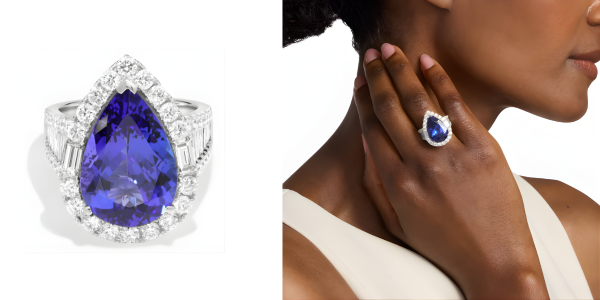
Bigger blue gemstones create strong visual impact because the color becomes more noticeable in larger surfaces. Stones like larimar, turquoise, London blue topaz, and tanzanite often appear in bold pendant designs that sit close to the collarbone. These styles let the gem speak for itself and make your outfit feel complete with a single, eye-catching focal point.
Pear Shaped Tanzanite And Diamond Ring 18k White Gold |
|
| Tap To Reveal Full Details Of This Elegant Pear Shaped Tanzanite And Diamond Ring 18k White Gold! |
Minimalist And Everyday Wear Styles
Minimalist necklaces often rely on clean, simple cuts that bring attention to clarity and color without looking heavy. Small aquamarine or blue topaz stones work especially well because their gentle sparkle adds elegance without overpowering your neckline. If you prefer subtle jewelry, these designs blend easily into your daily outfits.
Vintage And Antique-Inspired Designs
Vintage-style blue gemstone necklaces often feature filigree metalwork, milgrain borders, and softer gemstone shades. Sapphire and aquamarine blend beautifully with antique settings because their colors echo traditional designs from earlier eras. These pieces feel nostalgic and charming, offering a graceful touch that stands apart from modern styles.
|
|
5.c) Blue Stones Used In Bracelets And EarringsBack To Top |
Bracelets and earrings highlight blue gemstones in ways that make movement part of their beauty. You’ll notice how light reflects off each gemstone as your wrist or face moves, giving the jewelry a lively, dynamic effect. Selecting the right gem helps you create sets that look coordinated and expressive.
Matching Blue Gemstone Sets
Matching sets let you wear coordinated blue gemstones across earrings, necklaces, and bracelets. Stones like aquamarine, blue topaz, and sapphire look especially harmonious when used in multiple pieces because their shades stay consistent. You can build a complete look that feels polished without needing bold or complicated designs.
Dangling, Stud And Hoop Styles
Earrings give blue gemstones room to show personality because different styles create different visual effects. Studs highlight clarity and symmetry, hoops emphasize color in a gentle arc, and dangles catch more light as they sway. You can choose based on how dramatic or subtle you want your jewelry to feel.
Cuff Bracelets And Tennis Bracelet Designs
Tennis bracelets use a continuous row of blue gemstones to create steady sparkle along the wrist. Blue topaz and sapphire are common choices because they offer strength and bright, clean color in small sizes. Cuff bracelets take a bolder approach, featuring larger single stones or clusters that draw attention to your wrist with richer saturation and stronger contrast.
|
|
6) Metaphysical And Healing Uses Of Blue GemstonesBack To Top |
Blue gemstones often symbolize calmness, clarity, and emotional balance, which makes them popular in spiritual and healing practices. You’ll find people using these stones to support communication, reduce stress, and strengthen intuition. Understanding these meanings helps you choose gems that align with your emotional and personal goals.
|
|
6.a) Emotional And Spiritual MeaningBack To Top |
Many people connect blue gemstones with peace, clarity, and honest expression. You may feel drawn to them during moments when you want stability or a deeper sense of understanding. Their gentle tones make them ideal for emotional grounding and mindful practices.
Calming And Communication-Related Benefits
Blue gemstones often help you slow down and breathe more easily, especially during stressful moments. Stones like aquamarine and blue lace agate are believed to support open communication and clear expression, helping you say what you truly mean. Their soothing energy creates a sense of emotional balance that can gently shape your daily interactions.
Throat Chakra Associations
The throat chakra links directly to your ability to speak truthfully and express your thoughts without fear. Certain types of blue gemstones are commonly used to support this chakra because their color reflects clarity and sincerity. If you feel blocked or unsure of your voice, keeping a blue stone close may encourage smoother communication.
Blue Stones In Meditation Practices
People often use blue gemstones during meditation to settle their minds and deepen focus. Their calm energy helps you release tension and settle into a slower, more reflective state. Placing a blue stone near you during meditation can create a steady atmosphere where your thoughts feel easier to organize.
|
|
6.b) Zodiac And Birthstone ConnectionsBack To Top |
Certain blue gemstones hold special meaning for specific birth months and zodiac signs. You’ll see these stones used in personal jewelry where symbolic value matters. Wearing a birthstone can help you feel more connected to your identity and inner strengths.
Sapphire For September
Sapphire represents loyalty, wisdom, and inner strength, which makes it a fitting birthstone for September. Many people believe it supports clear thinking and steady judgment in everyday life. If you’re drawn to deep blue tones, sapphire offers a sense of calm confidence that feels both classic and meaningful.
Turquoise And Blue Topaz For December
December has two popular blue birthstones, giving you a choice between vivid blue-green and crisp sky blue. Turquoise symbolizes protection and grounding, while blue topaz represents clarity and peaceful communication. These stones capture different moods, making December birthstone jewelry feel personal and expressive.
Aquamarine For March
Aquamarine stands for serenity, courage, and emotional clarity, making it a natural match for those born in March. Its gentle blue color feels like a deep breath on a quiet morning, offering a sense of calm strength. If you want a gemstone that supports grace under pressure, aquamarine delivers that steady energy beautifully.
|
|
7) How To Choose The Right Blue GemstoneBack To Top |
Choosing the right blue gemstone becomes easier when you understand how color, clarity, durability, and price interact. You’ll notice that each gemstone brings its own strengths, whether you want something expressive, practical, or symbolic. With a few simple guidelines, you can find a gem that fits your taste and feels right for your lifestyle.
|
|
7.a) Factors To Consider Before BuyingBack To Top |
Before choosing a blue gemstone, you should think about how you plan to wear it and what qualities matter most to you. Some stones offer strong durability, while others shine with unique optical effects or softer tones. When you know your priorities, selecting the right gem becomes a natural process.
Purpose: Fashion, Healing, Or Investment
Your purpose influences which blue gemstone suits you best. If your goal is fashion and everyday style, you might prefer stones like blue topaz or aquamarine because they’re bright, accessible, and easy to pair with different outfits. If you’re more interested in healing or emotional balance, you may lean toward stones such as turquoise or angelite for their calming presence. For investment value, sapphire or blue diamond provides rarity, strength, and long-term appeal.
Durability And Mohs Hardness
Durability plays a major role in how a gemstone performs over time, especially if you plan to wear it daily. Sapphire and spinel offer excellent hardness, which means they resist scratches well and hold up during regular use. Softer stones like larimar and turquoise need more care and protective settings, making them a better fit for occasional wear or low-impact jewelry.
Gemstone Cut And Shape
Cut affects how a blue gemstone handles light and shows color, shaping the way it appears in your jewelry. Brilliant cuts work well for lighter stones like aquamarine because they boost sparkle, while step cuts highlight the rich, deep tones of sapphire or London blue topaz. Choosing a shape you enjoy helps the gemstone reflect your personality while enhancing its natural beauty.
|
|
7.b) Budget And Value RangeBack To Top |
Your budget helps determine which blue gemstones are within reach, but you can still enjoy beautiful color at nearly any price point. Affordable stones offer clean color and brightness, while mid-range and luxury gems give you stronger saturation and rarity. When you understand your options, you can choose a gemstone that feels right without stretching your finances.
Affordable Blue Gem Choices
Blue topaz, chalcedony, and angelite give you attractive color at friendly prices and allow you to explore different shades without pressure. These stones work well in rings, necklaces, and earrings because they offer pleasant tones and smooth surfaces. You’ll also have the freedom to choose larger stones without pushing your budget too far.
Mid-Range Types of Blue Gemstones
Aquamarine, turquoise, and iolite offer more distinctive character with manageable pricing. Aquamarine provides clean clarity and pale blue sparkle, while turquoise brings earthy patterns and cultural charm. Iolite appeals to many people because its pleochroism adds depth and mystery at a reasonable cost.
High-End And Collector-Grade Options
Sapphire, tanzanite, blue diamond, and fine spinel sit at the top of the value spectrum for their rarity and exceptional richness. These stones often show better color saturation and bring long-term value for collectors. If your goal is investment or premium elegance, high-end blue gemstones offer lasting appeal and standout beauty.
|
|
7.c) Color Preferences And Personal StyleBack To Top |
Your color preference shapes the type of blue gemstone that will feel most natural on you. Some people enjoy soft, icy shades that feel calm and refreshing, while others prefer bold, deep blues that draw attention instantly. Matching the gem to your personality helps you build jewelry that feels like an extension of yourself.
Cool Ice-Blue Tones vs Rich Royal Blues
Cool ice-blue tones, such as those seen in aquamarine and sky blue topaz, feel gentle and uplifting. These shades work well if you prefer understated elegance or light, breezy jewelry. Rich royal blues from sapphire or London blue topaz create a stronger, more dramatic look that suits bold outfits and confident styles.
Matching Blue Stones With Gold And Silver
Blue gemstones interact differently with each metal, creating unique visual effects. Light blue stones appear crisp and bright in silver or white gold, while deeper stones look luxurious and intense against yellow or rose gold. You can choose the metal based on how you want the gemstone’s color to appear in everyday lighting.
Considering Skin Tone And Fashion Style
Your skin tone influences how blue gemstones appear against your complexion. Light and cool stones often complement fair or cool-toned skin, while deeper blues enhance warm or deeper complexions beautifully. Matching the stone to your clothing style also helps you create a cohesive look that feels intentional and expressive.
|
|
8) How To Identify Genuine Blue Gemstones (Avoiding Fakes)Back To Top |
Identifying real blue gemstones helps you protect your money and avoid disappointing purchases. You’ll see many stones treated or imitated, so knowing what to look for keeps you confident when shopping. With a few clear checks, you can separate natural gems from fakes and make informed decisions.
|
|
8.a) Common Treatments And EnhancementsBack To Top |
Gemstones often receive treatments to improve color or clarity, and these enhancements can affect value. You’ll benefit from learning how these processes work so you can judge a stone fairly. Knowing the difference between natural and treated gems helps you set realistic expectations.
Heat-Treated Blue Stones
Heat treatment enhances the color of stones like sapphire, tanzanite, and blue zircon by deepening or evening out their natural hues. The process mimics the high temperatures found underground, so the gemstone keeps its durability and stability. These stones remain genuine, but they should cost less than rare untreated pieces with similar color.
Dyed And Stabilized Gemstones
Dyeing adds artificial color to stones such as howlite or lower-quality turquoise, giving them a brighter or more uniform look. Stabilization strengthens porous stones like turquoise by filling gaps with resin, helping them resist cracking and moisture. While these stones still offer beautiful color, you should expect a lower price compared to untreated material.
Coated And Diffused Colors
Coating applies a thin layer of color or metallic film to the surface of a gemstone, creating effects that may look attractive but lack long-term durability. Diffusion treatment pushes chemicals into the surface layer of a stone under heat, giving it enhanced color only near the outer edge. If you scratch or chip a coated or diffused gem, the underlying color may appear different, so these treatments require honest disclosure.
|
|
8.b) Lab Reports And CertificationsBack To Top |
Lab certifications give you clear, trustworthy information about whether a gemstone is natural, treated, or synthetic. When you buy a valuable blue stone, a lab report helps you understand its quality and authenticity. You gain peace of mind because you’re not guessing about the gemstone’s origin or treatment history.
Why To Look For GIA, IGI Or AGL Certificates
Reputable labs such as GIA, IGI, and AGL use strict testing to identify gemstones accurately. Their reports confirm whether a stone is natural and list any treatments that affect value. When a gemstone carries certification from one of these labs, you know you’re dealing with reliable information instead of seller claims.
How To Read Gemstone Reports
A gemstone report usually lists the stone’s species, variety, color grade, clarity characteristics, and any treatments detected. You’ll also see measurements, weight, and sometimes a photograph of the actual gem. Reading these details helps you compare stones fairly and confirm that the seller’s description matches the official findings.
Recognizing Synthetic Blue Stones
Synthetic gemstones share the same chemical composition as natural stones but form in controlled environments rather than underground. They often show cleaner clarity and more uniform color because they grow without natural pressure or impurities. These stones remain real in structure, but they should always cost significantly less than natural gems, and accurate disclosure is essential.
|
|
9) Care And Maintenance Of Blue GemstonesBack To Top |
Caring for blue gemstones helps them keep their color, clarity, and shine for many years. You’ll protect your jewelry better when you understand which stones need gentle handling and which can tolerate regular wear. With simple habits, your blue gems stay bright, clean, and attractive.
|
|
9.a) Cleaning And StorageBack To Top |
Cleaning and storing blue gemstones the right way prevents surface damage and color dullness. Some stones handle soap and water easily, while others react to heat, chemicals, or vibration. When you choose the right method, you keep every piece safe and ready to wear.
Safe Cleaning Methods For Blue Gems
Many blue gemstones clean well with mild soap, lukewarm water, and a soft brush. This method works especially well for sapphire, spinel, aquamarine, and blue topaz because they maintain clarity and resist mild cleaning. If you handle more delicate stones like turquoise or lapis lazuli, wiping them with a damp cloth is safer since soaking can damage their surfaces.
Stones That Should Never Be Ultrasonically Cleaned
Ultrasonic cleaners send intense vibrations through the stone, which can crack or weaken softer gems. Turquoise, lapis lazuli, larimar, and dyed or stabilized stones should stay far away from these machines because their structures and treatments don’t handle vibration well. Even some treated sapphires may react to ultrasonic cleaning depending on the treatment, so you should confirm with the seller before using any machine.
Best Practices For Long-Term Storage
Storing your blue gemstones separately prevents scratches and unwanted marks. Harder stones such as sapphire or spinel can scratch softer stones if they touch each other, so individual pouches or compartments help avoid damage. Keeping your jewelry in a dry place away from strong sunlight protects sensitive gems like turquoise and aquamarine from fading or drying out.
|
|
9.b) Handling And Wearing TipsBack To Top |
Handling your blue gemstones with care helps them stay bright and free from damage caused by daily activities. Some stones, especially softer ones, react quickly to rough surfaces or chemicals. Paying attention to how you wear each piece keeps the gemstone safe in the long run.
Protecting Softer Blue Gemstones
Softer types of blue gemstones like turquoise, larimar, and lapis lazuli need gentle treatment because their surfaces can scratch or chip easily. Wearing them in earrings or pendants helps reduce contact with hard surfaces, while rings require extra awareness. If you store them separately and handle them lightly, they keep their smooth finish without showing wear quickly.
Avoiding Chemical Damage
Chemicals from perfumes, soaps, chlorine, and even sweat can harm certain blue gemstones. Turquoise and lapis lazuli absorb liquids, which can lead to stains or discoloration if they come in contact with harsh products. Removing your jewelry before swimming, applying lotions, or using cleaning supplies protects the gemstone’s color and shine.
Safe Settings For Daily Wear
Secure settings help blue gemstones withstand everyday movement and bumps. Harder stones like sapphire and spinel do well in prong or bezel settings because they resist scratches. Softer stones such as turquoise or larimar remain safer in protective bezel settings that surround the edges and shield them from direct impact.
|
|
10) FAQs About Blue GemstonesBack To Top |
Frequently asked questions help you understand blue gemstones more clearly before you buy or wear them. You’ll find that each gem has its own strengths, value factors, and beauty. These answers guide you through the most common points of confusion so you can make confident choices.
|
|
10.a) Which Blue Gemstone Is The Most Expensive?Back To Top |
Some blue gemstones stand out for their rarity and exceptional beauty, which pushes their value very high. You’ll notice that only a few gems consistently rank at the top in the luxury market. Understanding why they cost more helps you judge price ranges fairly.
Why Blue Diamonds Dominate The Luxury Segment
Blue diamonds reach extraordinary prices because they combine extreme rarity with powerful brilliance and unmatched durability. Their color comes from trace amounts of boron, which occurs naturally in very few diamonds, making each stone incredibly scarce. Collectors value them for their purity, strength, and unique appearance, so even small blue diamonds can command exceptional prices.
|
|
10.b) Which Blue Stones Are Best For Daily Wear?Back To Top |
Some types of blue gemstones hold up better during daily activities because they resist scratches and keep their polish well. You’ll want a stone that stays bright even when you wear it often. Choosing the right gem ensures your jewelry remains attractive without frequent repairs.
Sapphire, Topaz And Spinel Comparisons
Sapphire offers excellent daily-wear strength thanks to its high hardness, making it one of the safest choices for rings and bracelets. Blue topaz works well too because it resists scratches and provides clear, bright color at an easy price point. Spinel sits close to sapphire in hardness and keeps its shine beautifully, giving you a durable gemstone with rich blue tones that can handle regular use.
|
|
10.c) What Is The Rarest Blue Gemstone?Back To Top |
Some blue gemstones appear so rarely in nature that collectors value even small, clean pieces. You’ll notice these stones in museum-quality collections or high-end jewelry rather than everyday shops. Learning about rarity helps you understand why certain gems cost far more than others.
Rarity Of Benitoite, Hauyne And Indicolite
Benitoite ranks among the rarest types of blue gemstones because it comes primarily from one small area in California, producing stones with bright, glowing blue color. Hauyne is even scarcer, known for its vivid electric blue shade that appears in very tiny crystals, making faceted pieces extremely hard to find. Blue tourmaline (indicolite) is less rare than the first two, but top-quality stones with strong saturation remain uncommon, giving them strong appeal for collectors.
|
|
10.d) Which Light Blue Gemstones Are Most Popular?Back To Top |
Light blue gemstones attract people who enjoy soft, refreshing color in their jewelry. These stones feel gentle and elegant, making them suitable for both casual and formal wear. Their clarity and brightness often stand out beautifully under natural light.
Aquamarine And Sky Blue Topaz Preferences
Aquamarine stays popular because its clean, icy tone feels calm, graceful, and perfect for pendants and rings. Sky blue topaz offers a brighter and more playful shade, appealing to people who want sparkle without high cost. Both stones bring fresh, airy color that suits many outfits and skin tones, which is why they remain favorites in light blue jewelry.
|
|
11) ConclusionBack To Top |
Blue gemstones offer an incredible range of colors, meanings, and possibilities, giving you endless ways to express your style. Whether you prefer pale ice-blue tones or deep royal shades, you’ll find a gemstone that feels personal and meaningful. With the right knowledge about quality, durability, and symbolism, you can choose blue stones that stay beautiful, reflect your personality, and bring joy every time you wear them.
See More Similar Looking Gemstones As Follows:
| Blue Sapphire or Tanzanite | Ruby or Red Garnet |
| Ruby or Pink Sapphire | Orange Sapphire or Citrine |
| Types Of Blue Gemstones |