Wheat Chain Definition
A wheat chain, also known as a spiga chain, is a type of jewelry chain made from tightly interwoven oval or teardrop-shaped links that are braided together in a symmetrical pattern. This woven construction creates a chain that is both flexible and exceptionally strong, with a smooth, rounded surface that reflects light evenly. The name “wheat chain” comes from its resemblance to overlapping wheat stalks.
In jewelry, wheat chains are commonly used for necklaces and bracelets because they combine durability with an elegant, fluid appearance. They are crafted in metals such as gold, sterling silver, stainless steel, and other precious alloys. Thanks to their dense link structure and balanced weight, wheat chains are well suited for everyday wear and can be worn alone or with pendants while maintaining a refined, classic look.
A wheat chain is one of the most elegant and durable link styles in jewelry, known for its smooth texture, hand-woven look, and exceptional strength. Whether you’re comparing wheat chains to rope, spiga, box, or foxtail styles, choosing the right width, or deciding between gold and sterling silver, this guide breaks everything down in simple language. You’ll learn how wheat chains are made, the different variations available, how to style them for men and women, and what to know before buying or caring for one.
Table Of Contents
- 1) Introduction to Wheat Chains
- 2) What Is a Wheat Chain?
- 3) How Wheat Chains Are Made
- 4) Types and Styles of Wheat Chains
- 5) Wheat Chain Thickness Guide (2mm, 3mm, 4mm, 5mm and Beyond)
- 6) Wheat Chain Materials: Gold, Silver, and More
- 7) Wheat Chain Strength, Flexibility, and Durability
- 8) Wheat Chain vs Other Chain Styles
- 9) Styling Wheat Chains for Men and Women
- 10) How to Choose the Right Wheat Chain
- 11) Caring for and Maintaining Wheat Chains
- 12) Wheat Chain Frequently Asked Questions (FAQ)
- 13) Conclusion.

|
1) Introduction to Wheat ChainsBack To Top |
A wheat chain offers a smooth, woven look that feels both refined and versatile. You get a design that blends strength with visual flow, making it ideal for daily wear or special styling. This guide helps you understand the pattern, strength, and buying factors so you can choose a chain that suits your taste.
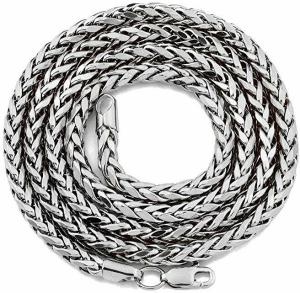
10K White Gold 4mm Palm Open Hollow Wheat Chain Necklace Lobster Lock
Click On The Image

|
1.a) Understanding the Popularity of Wheat ChainsBack To Top |
Many people choose wheat chains because the weave looks rich while staying comfortable against the skin. You’ll notice how the pattern creates a steady sparkle, which helps the chain stand out without feeling loud. This balanced look makes the style appealing to a wide range of buyers.
Why Wheat Chains Stand Out in Modern Jewelry
Wheat chains create a smooth, rope-like silhouette that feels elegant without trying too hard. You see their appeal the moment the interlocked strands catch the light, giving the chain a calm shimmer instead of a sharp glare. Because the weave handles movement so well, the chain sits naturally on your neck and feels easy to wear. Jewelers appreciate this style because it works in gold and silver with equal grace. The combination of strength, softness, and visual flow gives wheat chains a unique charm that many modern designs try to capture.
The Visual Appeal of Interwoven Oval Links
The pattern of oval links woven in a forward-facing direction creates a texture that feels alive. Each strand connects with the next, giving the chain a braided finish that reminds you of flowing grain heads. This subtle reference to nature adds warmth without overwhelming the design. The weave’s depth also creates gentle shadows, which help the chain look fuller and more refined. Once you notice this layering effect, it becomes clear why many people describe the wheat chain as graceful and timeless.
How Wheat Chains Suit Both Men’s and Women’s Jewelry Styles
Wheat chains adapt well to different tastes because the weave sits between bold and delicate. Thicker versions feel strong and confident, which many men enjoy when choosing daily wear or statement pieces. Slimmer widths create a softer look that pairs beautifully with pendants or layered outfits women often prefer. You can style a wheat chain casually or dress it up for formal occasions, making it a reliable choice for anyone who wants one chain to serve many purposes.
|
|
2) What Is a Wheat Chain?Back To Top |
A wheat chain features four strands of woven links that form a smooth, braided appearance. You get a necklace or bracelet that feels strong, flexible, and visually rich without looking heavy. This section helps you understand the structure so you can judge quality with confidence.
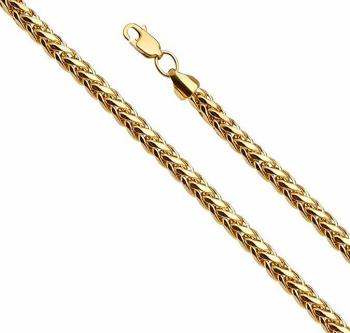
14k Yellow Gold 4mm Diamond Cut Hollow Chain Necklace with Lobster Claw Clasp
Click On The Image
|
|
2.a) Definition and Core CharacteristicsBack To Top |
A wheat chain uses interlocking oval and teardrop-shaped links arranged in a forward-facing direction. You see a braid-like pattern that stays fluid while keeping its shape under daily movement. This balanced design makes wheat chains ideal for pendants, casual wear, and dressier outfits.
Meaning of the Wheat Chain Weave
The weave takes its name from its resemblance to wheat stalks, with each link forming a pattern that almost looks like layered grains. This soft, natural reference gives the chain a warm presence even when crafted in bright white gold or polished silver. You may notice how the weave appears full without feeling bulky, which explains why the style appeals to so many people. Because the pattern stays steady along the entire length, the chain keeps a unified look whether worn alone or with a pendant. Jewelers appreciate this consistency because it reflects careful alignment of the interwoven links.
Why It Is Also Called a Spiga Chain
Spiga is the Italian word for “wheat,” which is why many jewelers use the terms interchangeably. Both names describe the same directional weave of oval links that create the signature braided texture. You might see “spiga” mentioned more often in Italian-made chains, where the manufacturing tradition goes back decades. Even though the names differ, the construction remains the same, giving you identical strength and flexibility. Knowing both terms helps you shop confidently because you recognize that they refer to a single, well-known chain style.
Importance of Uniform Directional Weaving
The forward-facing direction of the weave keeps the chain smooth against your skin and prevents awkward twisting. When each strand aligns properly, the pattern flows cleanly from end to end, which improves the chain’s visual rhythm and durability. In high-quality wheat chains, you’ll rarely see gaps or irregular overlaps because the weaving technique encourages tight link placement. This uniform structure keeps the chain from stretching out of shape over time, even under regular movement. As a result, you get a necklace or bracelet that stays attractive and consistent through daily wear.
|
|
2.b) Anatomy of a Wheat ChainBack To Top |
A wheat chain uses multiple strands of shaped links to create a dense but flexible pattern. Each strand works with the others to maintain balance, strength, and movement. Understanding how these strands interact helps you judge build quality quickly.
Structure of Oval and Teardrop-Shaped Links
Each link starts as a small oval or teardrop form, which gives the chain its curved and braided look. These shapes guide the direction of the weave so the strands slide neatly into place instead of competing for space. Jewelers rely on these link profiles because they hold alignment well and create a smooth outer surface. You’ll feel that smoothness the moment the chain moves between your fingers, showing how the link shapes contribute to comfort. This structure also improves light reflection, giving the chain a gentle shimmer rather than a sharp sparkle.
How Multiple Strands Interlock to Create Strength
The wheat chain weave uses four connected strands, and each strand reinforces the next through controlled interlocking. Because the links overlap at steady angles, the chain distributes pressure evenly, which reduces the chance of breakage. You get surprising strength from this structure since the strands support each other rather than relying on a single path of tension. Even when the chain bends or twists, the interlocking pattern keeps it stable without losing flexibility. This synergy between strands is one reason wheat chains hold heavy pendants more securely.
Role of Soldering and Finishing in Durability
Quality soldering keeps each link closed so the chain doesn’t separate under stress. Jewelers use careful heat control to fuse the links without thinning the metal, which helps the chain keep its strength over time. After soldering, polishing smooths out edges and removes small marks, giving you a clean finish that feels comfortable on the skin. This final stage also improves the chain’s shine, whether you choose gold, silver, or a diamond-cut variation. Solid finishing and tight soldering work together to create a wheat chain that handles daily wear with ease.
|
|
3) How Wheat Chains Are MadeBack To Top |
Wheat chains take shape through a precise process that forms their smooth, braided look. You get strength, flexibility, and polish from a series of steps that shape, weave, solder, and finish the links. This section helps you understand how the craftsmanship behind the weave affects quality and value.
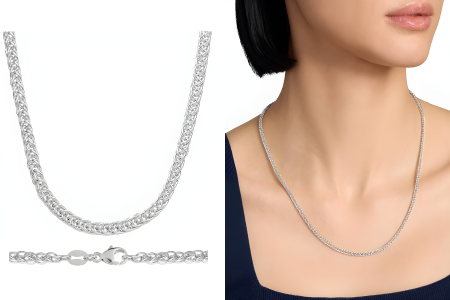
20 Inches Square Wheat Chain In Platinum (3 Mm) |
|
| Click On The Image Take A Closer Look At This 20 Inches Square Wheat Chain In Platinum (3 Mm) — You’ll Be Amazed! |
|
|
3.a) The Fabrication ProcessBack To Top |
Jewelry makers work through several stages to build a wheat chain, beginning with shaping the links and ending with polishing. Each step plays a role in how the chain moves, shines, and holds up under daily use. As you explore the process, you start to see why this style feels so refined.
Shaping and Twisting the Oval Link Strands
A wheat chain begins with small wire segments formed into oval or teardrop-shaped links. These links guide the direction of the weave and help the strands fall into a pattern that stays smooth and symmetrical. While shaping the links, jewelers adjust the curves so the strands line up without crowding or creating gaps. You can feel the difference this makes because well-formed links move easily and create a natural flow when the chain bends. The twisting stage prepares each strand for weaving by giving the links the correct orientation, which helps the chain stay consistent from end to end.
The Braiding and Weaving Mechanism
After shaping, the strands interlace through a controlled weaving pattern that creates the signature wheat texture. Each strand supports the others as they braid forward, giving the chain a unified direction that looks clean and refined. Because the links overlap at steady angles, the chain holds its shape even as it moves across your skin. The weaving step demands careful alignment so the pattern stays tight enough for strength yet flexible enough for comfort. You can spot a high-quality wheat chain by its even texture, steady rhythm, and smooth edges.
Final Polishing and Diamond-Cut Enhancements
Once the weave is complete, jewelers polish the chain to remove small marks and bring out the shine of the metal. This finishing stage softens the outer edges so the chain feels gentle against the skin rather than sharp or rigid. Some designs receive diamond-cut detailing, which adds fine reflective facets that create extra sparkle under light. The polishing and cutting choices affect the final personality of the chain, whether you want a subtle glow or a brighter, more eye-catching finish. These final touches help the chain feel complete and visually balanced.
|
|
3.b) Handmade vs Machine-Made Wheat ChainsBack To Top |
You’ll find wheat chains crafted by hand and by machine, and each approach creates its own character. Handmade chains often carry small natural variations, while machine-made chains usually follow a stricter pattern. Understanding these differences helps you choose a chain that fits your expectations for look, feel, and longevity.
Differences in Texture, Flexibility, and Link Precision
Handmade wheat chains show slight variations in link tension, giving the weave a warm, organic feel that some people enjoy. Machine-made designs typically offer sharper precision, which creates a very even texture and a clean visual rhythm along the length of the chain. You may also notice how the flexibility changes because handmade links sometimes allow a softer drape, while machine-made versions lean toward a firmer movement. Both styles have their strengths, but your preference may depend on whether you value character or uniformity. Either way, link precision plays a clear role in comfort and appearance.
How Craftsmanship Affects Longevity
Skilled craftsmanship supports long-term durability because well-formed links experience less stress while the chain moves. A maker who pays close attention to alignment prevents weak spots, which helps the chain resist stretching or misshaping over time. Smooth interior edges also reduce friction, allowing the strands to glide instead of grinding against one another. While machine precision can improve consistency, a careful hand-finishing process strengthens the final result. When both shaping and finishing are done well, the chain stays strong under daily wear.
Price Differences Between Both Types
Machine-made wheat chains usually cost less because automated production increases output and lowers labor time. Handmade chains require more hands-on shaping and finishing, which raises their price due to the extra effort involved. Some buyers enjoy paying for the artistry and depth found in handmade work, while others choose machine-made designs for their consistency and value. Either choice gives you a reliable chain, but your budget and taste guide which option feels right. Understanding these pricing factors helps you judge whether a higher cost reflects real craftsmanship or brand-driven markup.
|
|
4) Types and Styles of Wheat ChainsBack To Top |
You’ll find several wheat chain styles, each offering a different look, weight, and level of shine. As you explore these variations, you’ll notice how small changes in link shaping and finishing create very distinct personalities. This section helps you choose a style that fits your taste, lifestyle, and the way you prefer your jewelry to feel.
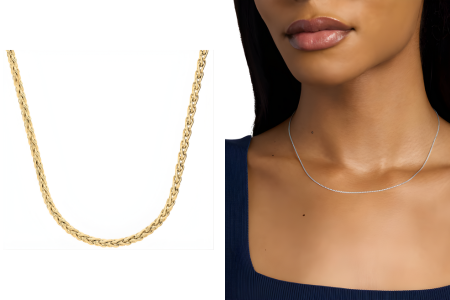
18 Inches Wheat Chain In
|
|
| Click The Image To See Why This 18 Inches Wheat Chain In 14k Yellow Gold (1.2 Mm) Stands Out! |
|
|
4.a) Classic Wheat ChainBack To Top |
Classic wheat chains rely on a smooth, even weave that gives the style its calm and graceful character. You get a chain that looks full without appearing heavy, which makes it a dependable everyday choice. Many people choose the classic version because it pairs effortlessly with casual or formal outfits.
Traditional Smooth Weave
The smooth weave showcases the true identity of the wheat chain, with each strand appearing tightly braided yet soft to the eye. You’ll see how the links align in a consistent pattern that creates a gentle shimmer rather than a sharp sparkle. This smooth texture feels easy on the skin and drapes naturally, giving the chain a relaxed elegance. Because the weave stays steady across the entire length, the chain offers a clean and unified look that suits many different styles.
Best For Pendants and Everyday Style
Classic wheat chains hold pendants well because the weave supports weight without losing flexibility. You can wear the chain alone for a simple and refined appearance, or add a pendant for extra character. Since the pattern doesn’t twist or kink easily, the chain stays comfortable during daily movement. This makes the classic wheat chain an ideal choice if you want a necklace that looks polished and works for everyday wear.
Durability Characteristics
The classic wheat weave handles daily use with impressive strength due to its interlocked strands. Each strand supports the others, spreading stress evenly and reducing the risk of breakage. You’ll notice how the chain resists stretching, which helps it keep its shape over time. A well-made wheat chain can manage regular bending without feeling stiff, which adds to its reputation as one of the most durable chain styles.
|
|
4.b) Diamond-Cut Wheat ChainBack To Top |
Diamond-cut wheat chains bring extra sparkle through faceted surfaces added during the finishing stage. These small facets catch light from multiple angles, creating a brighter and more eye-catching effect. If you prefer a chain with more shine, this style offers a noticeable upgrade.
How Faceting Enhances Sparkle
Diamond cutting introduces tiny flat surfaces along the links, which reflect light in quick flashes. The weave still stays smooth, but the added facets give the chain a lively energy that stands out more than the classic finish. This effect becomes especially visible in white gold or sterling silver, where the bright metal amplifies the sparkle. With the right lighting, a diamond-cut wheat chain captures attention without feeling too loud.
When to Choose Diamond-Cut Over Smooth
You might prefer diamond-cut if you enjoy jewelry with a brighter finish or want your chain to show more movement under light. The sparkle adds personality, making the style a popular pick for celebrations or settings where you want a little extra shine. Some people choose diamond-cut designs for layering because the added shine helps the chain stand out against other textures. If subtle glow feels too quiet for your taste, the faceted finish offers a lively alternative.
Ideal Styling and Occasions
Diamond-cut wheat chains suit dressy settings, evening events, and outfits that benefit from a touch of brilliance. You can wear them without a pendant if you want the weave and shine to speak for themselves. In everyday wear, the sparkle adds charm without overpowering your look. Because this style reflects light so well, it pairs beautifully with gemstone pendants or other polished accessories.
|
|
4.c) Palm Wheat / Italian Wheat VariationsBack To Top |
Palm wheat and Italian wheat styles give you tighter or slightly more structured variations of the classic weave. Their visual depth makes them feel richer and more defined. Many buyers appreciate these variations because they blend tradition with a bolder identity.
Differences in Pattern Tightness
Palm wheat chains often feature a tighter, more compact weave, which makes the pattern look denser than the standard version. You may notice how the links appear closer together, giving the chain a fuller presence on the neck. Italian wheat styles sometimes emphasize sharper alignment, created through precise shaping that highlights each strand. These subtle changes affect how the chain drapes and how much light it reflects. A tighter pattern usually feels firmer, while a slightly looser weave increases flexibility.
Why These Styles Appeal to Men
Men often choose palm wheat and Italian wheat chains because the tighter patterns feel strong and confident. The fuller look adds weight and character, which fits well with thicker widths like 4mm or 5mm. These styles work especially well when worn alone, since the weave itself creates enough visual interest without needing a pendant. Some men also prefer the firm drape that comes from tighter weaving because it gives the chain a structured feel. This combination of presence and strength makes these styles stand out in men’s jewelry.
Regional Craft Differences
Italian manufacturers have influenced wheat chain production for decades, and their designs often show a clear emphasis on precision. Chains made in Italy tend to feature smooth, even edges and consistent link alignment, which gives them a refined feel. Palm wheat variations may come from workshops that specialize in thicker, denser weaves, creating a slightly more textured look. These regional differences give you more options and help you match the chain to your personal taste. Craftsmen in different regions focus on different qualities, which adds variety to the category.
|
|
4.d) Wheat Chain BraceletsBack To Top |
Wheat chain bracelets bring the same woven strength to a shorter, more compact form. Because bracelets face more bending than necklaces, the construction must remain smooth and flexible. You get a bracelet that feels comfortable while still carrying the solid appearance wheat chains are known for.
How Bracelets Differ From Necklaces Structurally
Bracelets face more movement than necklaces, so jewelers build them with slightly adjusted link tension. You’ll find the weave crafted to handle wrist bending without feeling stiff or catching on hair or fabric. The clasp also plays a bigger role because bracelets experience more pulling during daily use. A well-built wheat bracelet keeps its shape even when worn frequently, showing how structural adjustments support comfort and durability.
Strength and Comfort on the Wrist
The interwoven strands give wheat bracelets a smooth surface that glides across the skin without irritation. Because the links overlap in multiple directions, the bracelet feels sturdy yet flexible enough to follow wrist movement. This balance of strength and comfort helps the weave hold up under active use. You may appreciate how the bracelet feels neither too heavy nor too light, making it a practical choice for daily wear.
Popular Thicknesses for Men and Women
Women often prefer slimmer wheat bracelets in the 2mm to 3mm range for a refined look that pairs well with watches or other bangles. Men usually choose thicker versions, around 4mm or higher, because the extra width creates a stronger presence on the wrist. Thickness plays a big part in how bold or subtle the bracelet appears, so choosing the right width helps you match your overall style. The range of options makes wheat bracelets accessible for different tastes and outfits.
|
|
5) Wheat Chain Thickness Guide (2mm, 3mm, 4mm, 5mm and Beyond)Back To Top |
Thickness plays a major role in how a wheat chain looks, feels, and performs. You’ll notice clear differences in weight, shine, and strength as the width increases. This guide helps you choose the right size for comfort, style, and long-term durability.
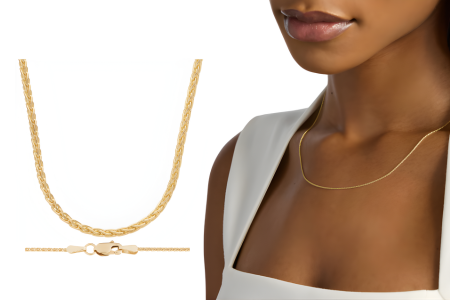
20 Inches Wheat Chain In
|
|
| Let This 20 Inches Wheat Chain In 14k Yellow Gold (1.2 Mm) Speak For Itself. Click on The Image To View Full Info! |
|
|
5.a) Choosing the Right WidthBack To Top |
Choosing the right width depends on your style, how bold you want the chain to appear, and whether you plan to wear a pendant. Each thickness offers its own balance of strength and movement. As you compare widths, you start to see how the wheat weave adapts to different looks.
2mm Wheat Chains — Minimalist and Delicate
A 2mm wheat chain gives you a light, refined appearance that works beautifully for subtle outfits. The slim profile lets the weave sit close to the skin, creating a gentle shimmer without drawing too much attention. You may prefer this width if you want a chain that disappears into your look rather than leading it. Since the links stay thin, the chain remains flexible and comfortable. Many people pair 2mm chains with small pendants because the scale feels natural.
3–4mm Wheat Chains — Versatile Everyday Wear
Chains in the 3–4mm range offer a balanced look that fits most wardrobes. The weave appears fuller than a 2mm chain, yet still light enough for daily use without feeling heavy. You’ll enjoy how these widths keep enough strength for medium pendants while staying flexible and smooth. This range works for both men and women, which makes it the most popular category. A 3–4mm wheat chain often becomes the piece you reach for every day because it handles casual and dressy outfits with equal ease.
5mm+ Wheat Chains — Bold Men’s Fashion Statement
Once you step into the 5mm range and above, the wheat weave takes on a strong, confident presence. You see thicker links, richer texture, and a heavier drape that many men prefer for statement styling. These widths stand out even without a pendant, making the chain the star of the look. The added weight gives the necklace a noticeable feel, which some people enjoy because it signals strength and quality. Thick wheat chains also resist pulling and stretching more effectively due to the increased metal volume.
|
|
5.b) Strength and Durability Across WidthsBack To Top |
Different thicknesses behave differently under tension, movement, and long-term wear. As the chain gets wider, the strands distribute stress more efficiently. Understanding these differences helps you choose a width that suits your lifestyle.
Why Thicker Wheat Chains Resist Stretching
Thicker wheat chains resist stretching because they carry more metal in each link. This extra material strengthens the overlapping structure, giving the chain better support when you move or pull on it accidentally. The interwoven strands work together to absorb force, so the thicker the chain, the more force they can handle. You’ll notice that a wide wheat chain keeps its shape even after years of bending, making it ideal for people who want a dependable piece. This resistance comes directly from the chain’s link density and metal weight.
Flexibility Differences Between Thin and Thick Styles
Thin wheat chains move with more fluidity because their smaller links bend easily and follow the shape of your neck. This gives the chain a soft drape that feels almost silky. As the chain becomes thicker, the resistance increases slightly, creating a firmer movement that still stays comfortable. You may appreciate how thicker chains maintain their shape without sacrificing too much flexibility. Both styles offer smooth motion, but each gives a different character to how the weave performs.
Ideal Thickness for Heavy Pendants
Heavier pendants need support from the chain, and thicker wheat chains provide the right foundation. A 4mm or 5mm chain balances the weight well, preventing the pendant from pulling the weave downward. This keeps the necklace sitting correctly on your chest instead of sagging out of place. If you enjoy wearing substantial pendants, choosing a thicker chain avoids unnecessary strain on the links. This match between width and pendant weight keeps your jewelry looking and feeling stable.
|
|
5.c) Matching Thickness With Personal StyleBack To Top |
Your preferred thickness usually reflects how you express yourself through jewelry. Some people enjoy subtle pieces that blend into their outfit, while others want a chain with stronger presence. As you look through different widths, you’ll see how each one shapes the overall personality of the wheat weave.
Wheat Chains for Men’s Styling
Men often choose wider wheat chains because the fuller weave aligns with masculine styling. Chains in the 4mm to 6mm range create a confident appearance that works well on their own or under a shirt collar. Many men enjoy the weight of thicker chains, finding it adds a sense of substance to their look. These widths also handle larger pendants without losing balance or shape. If you want a necklace that stands out, the thicker end of the spectrum gives you the bold presence you’re after.
Wheat Chains for Women’s Styling
Women often lean toward slimmer widths because they complement outfits without overpowering them. A 2mm or 3mm wheat chain adds a gentle shine that pairs beautifully with gemstone pendants or layered necklaces. The delicate scale sits well against the collarbone and suits everyday wear. These thinner options highlight the elegance of the weave without making the chain feel heavy. If your style leans graceful and understated, the lighter widths suit you perfectly.
Signature Looks Across Width Ranges
Different widths create different moods, which helps you express your personality through your jewelry. A thin wheat chain conveys subtlety, softness, and minimalism, while mid-range widths feel balanced and versatile. Thick chains tell a stronger story, carrying presence and structure that work well for bold fashion choices. You can experiment with different lengths and widths to create a style that feels true to you. With so many variations available, the wheat chain easily adapts to your personal identity.
|
|
6) Wheat Chain Materials: Gold, Silver, and MoreBack To Top |
Wheat chains come in several metals, and each one changes the look, shine, durability, and price of the chain. You’ll notice how gold, silver, and mixed alloys create different personalities for the same weave. This section helps you choose a metal that matches your style and daily needs.
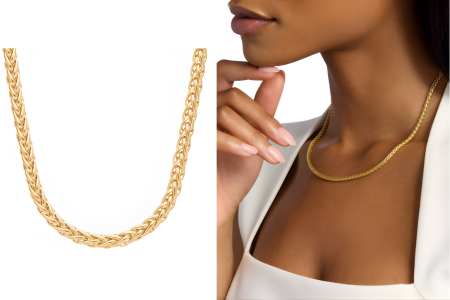
18 Inches Wheat Chain Necklace
|
|
| Step Into Sophistication. Tap On The Image To Explore This 18 Inches Wheat Chain Necklace In 14k Yellow Gold (4.3 Mm) Now! |
|
|
6.a) 14k and 18k Gold Wheat ChainsBack To Top |
Gold wheat chains remain popular because they combine strength with a warm, luxurious finish. You can choose between 14k and 18k depending on how much shine, softness, and durability you prefer. As you compare these purities, you’ll see how small differences in gold content affect wearability.
Yellow Gold Wheat Chains — Warm and Classic
Yellow gold gives the wheat chain a rich, glowing color that feels timeless and easy to wear. The weave looks fuller in yellow gold because the warm tone highlights the braided pattern. You may like how yellow gold stays flattering on most skin tones and works with both casual and formal looks. This metal holds its color well, which helps the chain stay visually consistent over time. If you enjoy classic jewelry that never feels outdated, yellow gold delivers that familiar comfort.
White Gold Wheat Chains — Modern and Sleek
White gold creates a cooler tone that fits clean, modern styling. The reflective surface of the metal gives the wheat weave a sharper, more sculpted appearance. You might notice how white gold enhances the chain’s smooth flow by adding a bright, mirror-like shine. Many people choose white gold because it pairs easily with diamonds or silver-toned accessories. It also suits minimal outfits where you want your chain to feel fresh rather than warm.
Rose Gold Wheat Chains — Subtle and Elegant
Rose gold adds a soft blush tone that gives the wheat chain an elegant, romantic feel. The copper alloy in the metal warms the color, which enhances the gentle curves of the weave. You may find this shade appealing if you prefer jewelry with a softer personality. Rose gold looks beautiful against many skin tones and works well with delicate pendants. Because the color stands out without shouting, it creates a graceful balance of charm and style.
|
|
6.b) Sterling Silver Wheat ChainsBack To Top |
Sterling silver wheat chains offer a bright, polished look at an accessible price. You get excellent shine and smooth flexibility, making silver a strong choice for everyday wear. Many people enjoy the cool tone because it pairs effortlessly with modern fashion.
The Brightness and Shine of Silver
Sterling silver reflects light with a crisp, clean brightness that highlights every curve of the wheat weave. This metal gives the chain a sharp sparkle that feels lively yet controlled. You’ll notice how the pattern looks more defined in silver because the shine accentuates the braided texture. Silver works well for both slim and thick wheat chains, making it a versatile option for different tastes. If you appreciate jewelry with clear, bright reflections, silver delivers that effect beautifully.
Tarnish Resistance and Care Tips
Silver can tarnish over time, but regular cleaning keeps it looking fresh. A quick wipe with a soft cloth removes most surface dullness and restores the chain’s shine. You can slow the tarnish process by storing the chain in an airtight bag or wearing it often, since skin oils help maintain the metal’s brightness. Avoid harsh chemicals and keep silver away from chlorinated water to preserve the finish. With light care, silver stays attractive and easy to maintain.
Affordability and Versatility
Sterling silver offers excellent value, giving you the look of a high-quality chain without the price of gold. Its neutral color makes it easy to pair with many outfits and styles. You can choose slim or thick widths without a dramatic price jump, which helps you explore different looks. Because silver works well with pendants of all types, it adapts easily to personal style changes. This balance of cost and flexibility makes silver a smart choice for daily wear.
|
|
6.c) Hollow vs Solid Wheat ChainsBack To Top |
Wheat chains come in both hollow and solid constructions, and each one affects weight, comfort, and durability. You’ll see clear differences once you compare how the chains feel and how they hold up over time. Understanding these variations helps you avoid buying a chain that doesn’t match your needs.
Why Solid Chains Last Longer
Solid wheat chains use more metal in each link, which increases their overall strength. This extra material allows the chain to handle bending and pulling without deforming. You may notice that solid chains feel heavier, and that weight often signals a longer lifespan. Because solid links resist denting and flattening, they keep their shape better during daily use. If durability matters to you, solid construction offers meaningful advantages.
Weight, Feel, and Price Differences
Hollow chains weigh less because they contain empty space inside the links. This reduces cost and makes the chain feel lighter on the neck or wrist. Solid chains feel more substantial, giving them a sense of richness and quality many people appreciate. The price difference reflects the amount of metal used, so solid chains often cost more but give you better long-term value. When you hold both types, you immediately notice the contrast in weight and sturdiness.
Risks of Hollow Wheat Chains for Daily Wear
Hollow wheat chains can dent or crease more easily because the metal walls are thinner. A strong pull or accidental snag may cause damage that affects the weave and alignment of the links. If you plan to wear a chain every day or use it with a heavy pendant, a hollow version may struggle under that pressure. Over time, repeated bending can weaken thin sections of a hollow chain, making it less reliable. For regular wear, choosing a solid wheat chain reduces these concerns and offers greater peace of mind.
|
|
7) Wheat Chain Strength, Flexibility, and DurabilityBack To Top |
Wheat chains have a reputation for strength because their interwoven structure spreads tension evenly. You get a chain that stays dependable during everyday wear while keeping a smooth, refined look. This section explains how the weave handles stress, movement, and long-term use so you can choose with confidence.
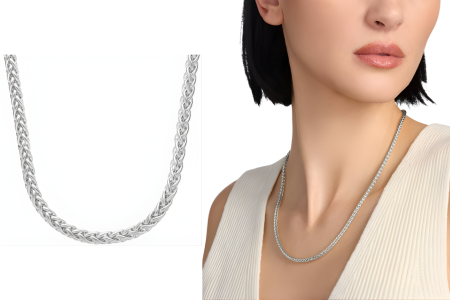
20 Inches Wheat Chain Necklace
|
|
| Turn Heads With This 20 Inches Wheat Chain Necklace In 14k White Gold 4.3 Mm. Tap The Image To Explore! |
|
|
7.a) How Strong Is a Wheat Chain?Back To Top |
A wheat chain stays strong because its multiple strands lock together and share the pull. You’ll find that this design resists stretching better than many other chain styles. Understanding how the weave works helps you judge whether a wheat chain suits your lifestyle.
Mechanical Strength of Interwoven Links
The interwoven strands create a network of links that reinforce each other with every movement. Instead of one link taking all the stress, each part of the weave helps distribute pressure across the chain. This structure makes the wheat pattern steady and dependable, even when you wear it often. You’ll notice that the weave holds its shape under tension, which adds to its reputation for reliability. The layered construction acts almost like braided rope, giving the chain surprising strength for its size.
Why Wheat Chains Rarely Break
Breakage occurs less often in wheat chains because the links interlock with smooth transitions and minimal open space. This design protects the strands from catching on sharp edges or snagging on clothing. Since the chain bends without creating harsh angles, it avoids the stress points that often weaken other styles. Jewelers appreciate this pattern because each strand supports the next, reducing the chance of damage under daily wear. As long as you avoid heavy pulling, a wheat chain stays intact and sturdy.
Durability Compared to Other Chain Styles
Wheat chains outlast many chain types because their weave keeps the links stable while still allowing movement. You may compare them to rope chains, which can stretch, or to box chains, which may kink if bent sharply. Wheat chains rarely show these issues because their curved, overlapping links guide the motion smoothly. Even with regular bending, the design stays consistent and doesn’t develop weak spots easily. This combination of strength and flexibility places wheat chains among the most durable options in jewelry.
|
|
7.b) Flexibility and ComfortBack To Top |
Flexibility plays a big part in how comfortable a wheat chain feels on your skin. You’ll notice the smooth glide of the links as they move with your neck or wrist. Because the weave bends naturally, the chain adapts well to your body’s motion.
Smooth Movement of the Weave
The wheat weave bends in small segments, allowing the chain to curve softly along your neckline. Each link’s rounded shape prevents the chain from digging into your skin, even when you move frequently. This smooth movement gives the chain a relaxed feel, which makes it easy to wear all day. You may also notice that the weave doesn’t twist into uncomfortable angles, keeping the chain stable and balanced. This effortless flexibility is one reason so many people enjoy wheat chains.
When Wheat Chains Can Feel Stiff
Some wheat chains feel slightly stiff at first if the links sit very tight or if the chain is new and hasn’t softened with wear. Thicker wheat chains may also feel firmer because they carry more metal and have less room for movement between each strand. As you continue wearing the chain, the links settle into their natural rhythm and loosen just enough to move comfortably. If a chain feels unusually rigid, it may indicate overly tight weaving or lower craftsmanship. Choosing a well-finished piece prevents discomfort and keeps the chain feeling smooth.
Identifying High-Quality Flexible Weaves
A quality wheat weave moves easily when you slide it between your fingers without catching or grinding. The links feel smooth, and the chain drapes naturally without forming bumps or uneven sections. You’ll see a steady rhythm in the pattern, showing that each strand aligns correctly with the others. Lightweight chains should bend softly, while thicker ones should feel firm yet responsive. If the movement feels balanced and controlled, you’re holding a well-crafted wheat chain.
|
|
7.c) Repairability and LongevityBack To Top |
Wheat chains can last many years with the right care, and their construction makes professional repair possible when needed. You may face minor issues over time, but most can be corrected by a skilled jeweler. This section helps you understand maintenance so your chain stays dependable.
Can Wheat Chains Be Repaired?
A jeweler can repair wheat chains by replacing broken links, tightening loose sections, or adjusting the clasp. Because the weave includes multiple strands, repairing it requires care to match the pattern, but the process stays manageable for experienced hands. You’ll be relieved to know that minor damage doesn’t mean replacing the whole chain. With proper tools and technique, a jeweler can restore the chain so it moves and looks like it should. Repairability adds peace of mind, especially if you wear the chain often.
What Damages the Chain Over Time
Repeated pulling, snagging on fabric, or exposure to harsh chemicals may weaken the links over the years. You might also see slight misshaping if the chain carries a pendant that’s too heavy for its width. Sweat, lotions, and saltwater affect the metal surface, which can dull the shine and create more friction between links. While wheat chains handle daily movement well, they still need basic care to avoid unnecessary strain. Staying mindful of these factors helps you protect the weave.
Maintenance Practices for Long Life
Simple habits help you preserve your chain’s strength and shine. Storing it flat or hanging prevents knots and reduces tension on the weave. Cleaning the chain with mild soap and a soft cloth keeps debris from collecting between the links. Removing the chain before intense physical activity avoids accidental pulls that could weaken the pattern. If you check the clasp regularly and address small issues early, you keep the chain reliable and attractive. These easy steps support long-term durability and comfort.
|
|
8) Wheat Chain vs Other Chain StylesBack To Top |
Comparing wheat chains with other popular chain styles helps you understand how they differ in texture, strength, and overall look. You’ll see how the weave influences comfort, flexibility, and long-term durability. This section gives you clear insights so you can choose a chain that matches your style and daily routine.
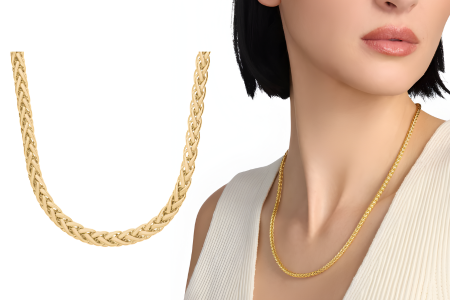
20 Inches Wheat Chain Necklace
|
|
| Click The Image To Find Out What Makes This 20 Inches Wheat Chain Necklace In 14k Yellow Gold 3.5 Mm A Must-have Piece! |
|
|
8.a) Wheat Chain vs Rope ChainBack To Top |
Both wheat and rope chains feature braided patterns, yet they create very different visual effects. You’ll notice that wheat chains appear smoother and more structured, while rope chains show a twisted, spiral texture. Understanding these differences helps you decide which chain supports your style goals.
Differences in Weave and Texture
The wheat chain uses four strands of interlocking links that form a steady, directional braid. This structure creates a smooth surface that shines gently instead of producing sharp reflections. Rope chains, by contrast, twist two or more strands into a spiral design, creating deeper grooves and a more dramatic texture. You’ll feel the difference immediately because the wheat chain glides easily, while a rope chain produces a more pronounced tactile sensation. The contrast in patterns gives each chain its own personality and purpose.
Strength Comparison
Wheat chains often outperform rope chains in resistance to stretching because their interwoven strands share tension more efficiently. The rope chain’s spiral structure looks strong but may stretch if pulled hard over time. In wheat chains, the link formation creates a stable foundation that holds its shape even with frequent bending. This stability helps the wheat chain handle heavier pendants without losing balance. If durability ranks high on your priority list, the wheat weave gives you an edge.
Which Style Is Better for Pendants
Wheat chains support pendants more effectively because the weave stays firm and doesn’t twist under weight. Rope chains can work for pendants too, but their spiral links may rotate the pendant during movement. The wheat chain’s directional pattern keeps the pendant centered, which improves comfort and appearance. This makes wheat chains a great choice if you wear pendants daily or prefer a necklace that stays in position. The steady base gives pendants a cleaner and more stable presentation.
| Feature | Wheat Chain | Rope Chain |
|---|---|---|
| Weave and Texture |
Four strands of interlocking links form a smooth, directional braid. Surface looks structured and even, with a gentle, controlled shine. |
Twisted strands create a spiral, helical pattern. Deeper grooves give a more dramatic, high-texture look. |
| Strength and Stretching |
Interwoven links share tension efficiently and resist stretching under normal pull. Structure holds its shape well with frequent bending. |
Spiral pattern can stretch over time if pulled hard or worn under heavy tension. May lose tight twist with long-term stress. |
| Comfort and Movement |
Glides smoothly on the skin with a fluid, flexible feel. Bends evenly and sits flat against the neck or chest. |
Feels more textured and “rope-like” to the touch. Twist can create slightly more friction on skin and fabric. |
| Best for Pendants |
Excellent for pendants because the weave stays firm and directional. Helps the pendant sit centered without constant twisting. |
Can hold pendants, but the spiral twist may rotate the pendant during movement. Works better with lighter or smaller pendants. |
| Overall Style |
Smooth, structured, and refined look that suits daily wear and dress pieces. Ideal if you want a balanced chain with strength and neat texture. |
Bold, lively, and eye-catching with visible twist and depth. Ideal if you like a high-profile, more dramatic chain texture. |
|
|
8.b) Wheat Chain vs Spiga ChainBack To Top |
You may hear wheat and spiga used interchangeably, which often causes confusion. In most cases, they refer to the same general style, with only small differences depending on the manufacturer. This part helps you understand why the names overlap and what sets the patterns apart.
Why Some Jewelers Use the Names Interchangeably
Spiga comes from the Italian word for “wheat,” so many jewelers treat both names as synonyms for the same weave. The pattern shares the same forward-facing braid and the same system of interlocking strands. Some manufacturers prefer the term spiga for pieces crafted in Italy, which adds a regional touch rather than a structural difference. You might find both names on similar chains, which adds to the confusion. Knowing this helps you recognize that the variation often lies in branding, not construction.
Technical Differences in Link Shapes
Though the overall structure remains similar, some spiga chains emphasize sharper link points or slightly narrower teardrop forms. Wheat chains may use softer, rounder shapes that create a fuller, more flowing braid. These small adjustments change how the chain reflects light and how tightly the strands sit against one another. You’ll see subtle differences in texture and density, which affect how the chain drapes. The variation is minor, yet noticeable when you compare the chains side by side.
Which One Looks More Refined
A wheat chain tends to appear smoother due to its rounder link shapes, while a spiga chain sometimes shows a more defined pattern. You may prefer the wheat chain if you enjoy a calm, even shine. On the other hand, the spiga chain appeals to those who want a slightly sharper, more architectural look. Both styles feel refined, but each carries its own flavor of elegance. The right choice depends on whether you gravitate toward softness or structure.
| Feature | Wheat Chain | Spiga Chain |
|---|---|---|
| Name and Origin |
Common modern name used by many jewelers for this braided chain style. The name refers to the pattern resembling a head of wheat. |
“Spiga” is the Italian word for wheat. Often used by Italian makers or retailers who prefer an Italian naming style. |
| Weave and Overall Structure |
Uses directional interlocking links that form a braided, forward-facing pattern. Looks like a soft, continuous braid that flows in one direction. |
Follows the same basic directional braid concept as wheat chains. Structure is usually identical or extremely close, depending on the maker. |
| Link Shape and Detail |
Often uses rounder or softer oval / teardrop-shaped links. Creates a fuller, more flowing braid with gentle curves. |
Sometimes uses slightly sharper, narrower link profiles. Can produce a more defined, slightly crisper pattern in the weave. |
| Visual Effect and Refinement |
Appears smooth and calm, with an even, controlled shine across the surface. Ideal if you like a softer, more liquid-looking chain texture. |
Can look a bit more architectural and graphic because of the slightly sharper link edges. Suits wearers who enjoy a more defined, structured appearance. |
| Branding and Usage |
Widely used term in English-language catalogs and online listings. Often treated as the default name for this braid-style chain. |
Frequently used in Italian-made jewelry or by brands emphasizing Italian design. In many cases, the name difference reflects branding rather than construction. |
|
|
8.d) Wheat Chain vs Foxtail ChainBack To Top |
Wheat and box chains stand apart in how they move, shine, and hold up under pressure. You’ll notice the contrast right away because their link shapes lead to very different performances. These differences guide you to the best chain for your needs.
Flexibility and Strength Differences
Wheat chains bend with ease because their rounded links create natural movement points. Box chains use square links that stack neatly but resist bending in certain directions, which makes them prone to kinking when pushed past their range of motion. The wheat chain’s curved links avoid this problem, providing smoother flexibility. Box chains can feel firm and structured, while wheat chains maintain a softer flow. Each chain offers strength, but the wheat weave handles bending stress more gracefully.
Aesthetic Comparison
A box chain gives you a geometric look with straight edges and a clean, modern vibe. Wheat chains create a braided, organic texture that feels more fluid and layered. You may find the box chain’s symmetry appealing if you enjoy sharp lines. The wheat chain, in contrast, offers a softer glow and more natural patterning. Both styles look refined in gold or silver, but the visual personality differs. Understanding these contrasts helps you match the chain to your wardrobe.
Best Use Cases for Each Chain
Box chains work well with small pendants because their squared links offer steady support without adding much volume. The minimal design lets the pendant shine. Wheat chains suit medium to heavy pendants due to their stronger resistance to stretching. Many people choose wheat chains for daily wear because they stay comfortable and resist kinks. Your choice depends on whether you prefer structure or flow, and how much weight you expect the chain to carry.
| Feature | Wheat Chain | Box Chain |
|---|---|---|
| Flexibility and Movement |
Rounded, interwoven links create natural movement points. Bends smoothly in all directions and resists kinking under normal motion. |
Square links stack in a grid-like pattern. Can kink if pushed past its natural bending angle or twisted sharply. |
| Strength Under Daily Wear |
Interlocking braid spreads tension across multiple links. Handles bending stress well and suits medium to heavy pendants. |
Strong in a straight line and under light to moderate tension. More sensitive to sharp bends and sudden pulls at tight angles. |
| Look and Style |
Braided, organic texture with soft curves and layered shine. Feels fluid and slightly more decorative on the neck. |
Geometric, minimal look with straight edges and clear lines. Gives a clean, modern vibe that fits simple styling. |
| Best Use with Pendants |
Excellent for medium and heavier pendants thanks to strong, flexible weave. Helps pendants hang centered and stable during movement. |
Works well with small and light pendants. Minimal volume lets the pendant stand out visually. |
| Everyday Comfort |
Soft flow and rounded links feel gentle on skin. Ideal as an everyday chain for people who move a lot. |
Feels slightly firmer and more structured on the neck. Suits those who like a chain that keeps its straight lines. |
H3 Wheat Chain vs Foxtail Chain
Foxtail and wheat chains share a braided look, though their structures differ enough to create unique styling options. You’ll see clear contrasts in pattern direction, density, and overall presence. This comparison helps you choose based on visual character and durability.
How the Weaves Differ Structurally
A foxtail chain uses V-shaped links arranged in alternating directions, creating a stacked, symmetrical pattern. Wheat chains rely on forward-facing oval or teardrop links that interlace into a rounded braid. You’ll notice that the foxtail weave appears more geometric and compact. The wheat pattern, on the other hand, forms a fuller and softer texture. These structural differences change how each chain moves and reflects light.
Which One Looks More Geometric
Foxtail chains have a distinct, engineered appearance because the V-shaped links align like repeating chevrons. This crisp structure makes the chain feel intentional and graphic. Wheat chains show a more natural flow due to their rounded links and braided pattern. You might enjoy the foxtail chain if you prefer sharper visual lines. The wheat chain appeals to those who like smoother curves and a gentler shine. Both create personality, yet they do so in different ways.
Durability and Style Preferences
Wheat chains tend to offer more flexibility, which helps them resist bending fatigue over time. Foxtail chains stay strong too, but their stiffer structure limits movement slightly, which can increase tension in certain spots. If you want a chain that drapes softly and handles daily motion, the wheat weave fits that need. Foxtail chains suit people who admire defined patterns and want a more structured piece. Your choice depends on how you balance comfort, texture, and visual impact.
| Feature | Wheat Chain | Foxtail Chain |
|---|---|---|
| Weave Structure |
Braided pattern built from oval or teardrop-shaped links facing in one direction. Forms a rounded, continuous braid with soft transitions between links. |
Uses V-shaped links arranged in alternating directions. Creates a stacked pattern that looks like small chevrons joined together. |
| Visual Character |
Looks fluid and organic, with a gentle, braided shine. Ideal if you like a soft, flowing chain profile. |
Appears more geometric and structured, with a clear linear rhythm. Suits people who enjoy a sharper, more graphic look. |
| Flexibility and Feel |
Offers smooth flexibility and drapes easily along the neck or wrist. Feels soft and fluid against the skin. |
Often feels slightly firmer because of the tighter, more compact pattern. Still flexible, but with a more defined movement. |
| Durability and Wear |
Strong interlocking links spread tension well and handle daily wear confidently. Works well with medium to heavy pendants if the thickness is appropriate. |
Dense pattern gives good strength and resistance to pulling. Performs well as a standalone chain or with moderate-weight pendants. |
| Style Preference |
Best for those who want a balanced, classic braid that suits many outfits. Pairs easily with both casual and dress looks. |
Best for those who like a more modern, geometric chain with strong visual lines. Stands out more as a design feature on its own. |
|
|
9) Styling Wheat Chains for Men and WomenBack To Top |
Wheat chains adapt easily to different outfits because their weave offers balance, shine, and comfort. You can wear them with pendants, layer them, or choose a bold standalone style. This section helps you find a look that feels natural and reflects your personality.
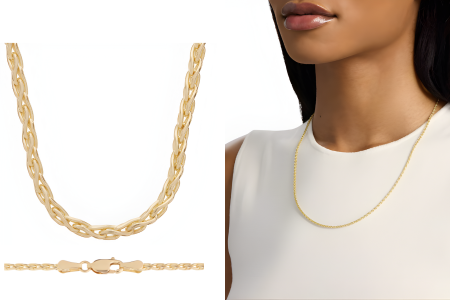
22 Inches Parisian Wheat Chain
|
|
| Capture The Sparkle. Click The Image And Explore This 22 Inches Parisian Wheat Chain In 14k Yellow Gold 2.25 Mm! |
|
|
9.a) Wheat Chains for MenBack To Top |
Men usually prefer wheat chains that carry strong presence and structure. You’ll see thicker widths, heavier finishes, and bolder metal colors in men’s styling. These choices highlight the chain’s strength while keeping a clean and confident look.
Bold Widths and Masculine Finishes
Thicker wheat chains create a bold impression because the fuller weave gives the necklace a sense of weight and purpose. Many men lean toward 4mm, 5mm, or even wider styles because these widths sit firmly on the chest and show the pattern clearly. The braided texture gains depth as the chain thickens, making it easier for the weave to stand out from a distance. Masculine finishes such as yellow gold, two-tone gold, or matte detailing amplify the chain’s presence. You may enjoy how these finishes give the chain a rugged yet polished personality.
Best Pairings: Pendants, Bracelets, Layering
A medium or thick wheat chain pairs well with dog tags, cross pendants, and symbolic designs because the weave supports the extra weight. When worn as a bracelet, the wheat pattern brings a strong visual rhythm that suits casual and formal outfits. Layering works well too, especially when you mix a wheat chain with a curb or Figaro chain to add contrast. You can play with different lengths to create depth, allowing the wheat chain to serve as the anchor of the entire look. This flexibility makes the wheat weave a favorite among men who enjoy experimenting with style.
Why Men Prefer Solid and Italian Wheat Styles
Men often choose solid wheat chains because they want strength they can rely on throughout daily wear. Solid construction adds weight and stability, which feels reassuring and durable. Italian wheat chains appeal to many men because they offer tight, precise weaves that feel refined without losing strength. You may also appreciate the craftsmanship associated with Italian manufacturing, known for its clean lines and balanced structure. These qualities give the chain a long-lasting look that matches a man’s desire for something dependable and stylish.
|
|
9.b) Wheat Chains for WomenBack To Top |
Women enjoy wheat chains for their graceful flow, soft shine, and ability to complement a wide range of outfits. Slimmer widths and lighter colors make the weave feel elegant and expressive. Whether worn alone or with a pendant, the chain adds a gentle touch of sophistication.
Slimmer, More Delicate Weaves
Slimmer wheat chains create a refined look because the narrow strands form a smooth, almost silky texture. You’ll notice how the light catches the braid softly, creating an understated glow that suits daily wear. These delicate weaves fit neatly with V-neck tops, dresses, and layered styles. A thinner wheat chain also blends effortlessly with other jewelry, making it a versatile accessory. If you enjoy jewelry that feels lightweight and subtle, these slimmer designs match that preference perfectly.
Pairing with Gemstone Pendants
Gemstone pendants look beautiful on wheat chains because the weave stays stable and doesn’t twist under weight. The smooth texture creates a soft backdrop that lets the gemstone shine without distraction. You’ll see how the chain frames the pendant gently, enhancing its color and shape. Stones like emerald, sapphire, and diamond pair especially well with white gold wheat chains. Yellow or rose gold chains add warmth to gemstones with earthy or pink tones. A balanced pairing turns a simple necklace into a meaningful statement.
Ideal Lengths and Color Choices
Women often choose lengths between 16 and 20 inches because these sit comfortably on the collarbone and upper chest. This placement highlights the weave while keeping the chain visible with most necklines. You may prefer white gold for a clean, modern look, while yellow and rose gold create softer, more romantic tones. Silver offers a bright alternative if you like cooler metallic shades. Selecting the right color helps the chain blend with your wardrobe and other accessories, giving you a polished, cohesive style.
|
|
9.c) How to Layer Wheat ChainsBack To Top |
Layering wheat chains lets you create depth, contrast, and personality. You can mix textures, metals, and lengths to build a look that feels intentional and expressive. As you play with combinations, the wheat weave often becomes the anchor of your layered style.
Mixing with Rope, Curb, and Box Chains
Wheat chains pair beautifully with rope, curb, and box chains because each weave brings its own texture. You may choose a wheat chain as the centerpiece since it has a balanced look that complements bolder or sharper patterns. A rope chain adds movement and shine, a curb chain brings a classic edge, and a box chain introduces geometric precision. Mixing these styles creates a layered look that feels full and dynamic. This blend of patterns helps your jewelry feel more interesting and expressive.
Layering Lengths for a Balanced Look
Layering works best when the chains vary in length enough to avoid overlap. You can start with a shorter chain near the collarbone and add longer ones to create a cascading effect. A wheat chain often looks best in the middle position because its weave connects the entire arrangement visually. Balancing the lengths gives each chain space to shine without feeling crowded. When done well, the layers appear intentional and stylish, almost like a story told in metal.
Combining Metals for a Modern Aesthetic
Wearing mixed metals adds a fresh, contemporary feel to your layered wheat chain look. You can pair white gold with yellow gold, or combine silver with rose gold to create contrast. This mix brightens your outfit and keeps the jewelry from feeling predictable. The wheat chain acts as a bridge between metals because its weave softens transitions between colors. As you explore combinations, you may find pairings that reflect your personality more closely. This freedom to mix metals gives your style a modern and expressive twist.
|
|
10) How to Choose the Right Wheat ChainBack To Top |
Choosing the right wheat chain becomes easier when you understand the details that affect comfort, durability, and style. You’ll find that metal purity, width, length, and construction influence how the chain feels and performs. This guide helps you make a smart choice based on your needs, budget, and personal taste.
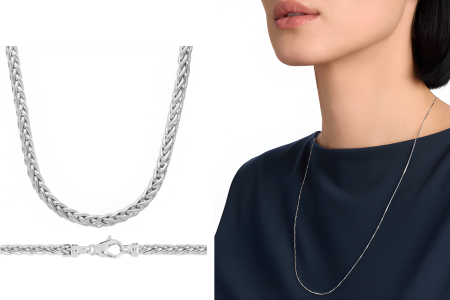
24 Inches Wheat Chain Necklace In
|
|
| Fall In Love With The Sparkle. Click The Image To View This 24 Inches Wheat Chain Necklace In 14k Italian White Gold 3.1 Mm! |
|
|
10.a) Factors to Consider Before BuyingBack To Top |
Several features determine whether a wheat chain will suit your lifestyle. You’ll want to look closely at its metal, thickness, compatibility with pendants, and long-term durability. When you compare these aspects, the right option becomes much clearer.
Metal Purity and Hallmarks
Metal purity affects color, durability, and price, so checking the hallmark helps you confirm exactly what you’re buying. A 14k chain gives you a strong balance of hardness and shine, while 18k offers richer color with slightly softer metal. Silver wheat chains bring bright luster at a lower price point, making them ideal for everyday wear. Hallmarks such as “14k,” “18k,” or “925” verify authenticity and help you avoid uncertainty. Taking a moment to inspect these marks makes your purchase more secure.
Thickness and Weight Preferences
Thickness plays a major role in how the chain looks and feels. A thin wheat chain sits lightly on the skin, offering a subtle and elegant look, while thicker options project bold character and substance. Weight influences comfort too, because heavier chains feel more noticeable throughout the day. You might prefer a thicker chain if you like strong visual presence or plan to add a heavy pendant. Choosing the right thickness ensures the chain matches both your wardrobe and your comfort level.
Pendant Compatibility
A wheat chain must support your pendant without pulling or twisting. Slim chains suit small gemstone pendants, while broader widths work better with larger or heavier designs. The smooth, directional braid keeps pendants centered so they hang naturally against your chest. If you enjoy wearing meaningful or decorative pendants, selecting a compatible width becomes essential. This match keeps the necklace balanced and prevents premature wear on the links.
|
|
10.b) Budget Planning and Price ExpectationsBack To Top |
Wheat chains vary widely in price because metal purity, craftsmanship, and weight all affect cost. You can choose an option that fits your budget without sacrificing style. When you understand what drives pricing, planning becomes much easier.
Price Differences Across 14k, 18k, and Silver
Silver wheat chains offer the most affordable entry point because silver costs far less than gold. A 14k gold chain sits in the middle range because it mixes gold with stronger alloys. An 18k chain costs more because it carries a higher percentage of pure gold, giving it deeper color and enhanced luxury. As gold prices rise, weight affects the total cost significantly. Knowing these ranges helps you decide which metal fits your spending plan.
Handmade vs Machine-Made Cost Variations
Handmade wheat chains cost more because artisans shape and assemble each link with greater attention and skill. This process creates a smoother drape and more refined weave. Machine-made chains offer consistency and lower prices, making them practical for everyday wear. You may notice the difference when comparing flexibility or link detailing in person. Choosing between handmade and machine-made pieces depends on how much you value craftsmanship compared to price.
Understanding Value per Gram
Gold and silver chains are priced partly by weight, so comparing cost per gram helps you assess value accurately. Heavier wheat chains require more metal, which increases their price even if the styling stays similar. Solid chains typically offer better long-term value because they resist wear more effectively than hollow options. If you want your chain to last, investing in a higher weight often pays off. Thinking in terms of value per gram keeps your decision grounded and practical.
|
|
10.c) Ideal Wheat Chains for GiftingBack To Top |
Wheat chains make excellent gifts because their design suits nearly every age group, style, and occasion. The smooth weave feels comfortable, and the pattern looks elegant without feeling too bold. Because of this versatility, they work beautifully as meaningful, long-lasting presents.
What Makes Wheat Chains Universally Appealing
The balanced braid gives wheat chains a gentle shine that appeals to people who enjoy understated elegance. You’ll find that the weave looks good in both slim and thick styles, making it easy to match the chain to the recipient’s personality. The design carries a sense of timeless charm, which adds emotional value to the gift. Whether you choose gold or silver, the wheat pattern feels warm and expressive. This universal appeal removes much of the guesswork from gifting.
Choosing the Right Gift Length and Style
A shorter length such as 16–18 inches suits women who like their necklaces to sit near the collarbone. Men often prefer longer chains in the 20–24 inch range because these lengths sit comfortably over clothing. You can select a slimmer chain for someone with minimalist taste or a wider chain for someone who enjoys bolder jewelry. Adding a pendant creates a more personal touch, making the gift feel thoughtful and meaningful. Matching the style to the recipient’s daily look increases the impact of the gesture.
Wheat Chains for Special Occasions
Wheat chains work beautifully for birthdays, anniversaries, graduations, and milestone celebrations. The graceful texture feels fitting for meaningful moments because it carries a sense of elegance. You can choose a gold wheat chain for luxurious occasions or a silver one for heartfelt yet budget-friendly gifting. A diamond-cut wheat chain adds sparkle for festive events or evening wear. When you present a wheat chain, you give something that feels both stylish and lasting, making the occasion even more memorable.
|
|
11) Caring for and Maintaining Wheat ChainsBack To Top |
Proper care helps your wheat chain stay smooth, bright, and flexible for years. Simple habits make a big difference in preventing wear and protecting the weave. With regular cleaning and mindful storage, you keep the chain comfortable and reliable through daily use.
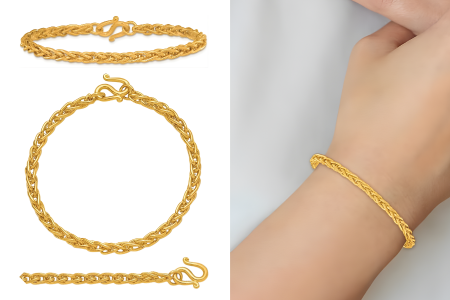
24k Yellow Gold Solid 5.2mm Wheat Chain Bracelet |
|
| Tap The Image To Dive Deeper Into The Style Of This 24k Yellow Gold Solid 5.2mm Wheat Chain Bracelet! |
|
|
11.a) Daily Care TipsBack To Top |
Small steps in your routine protect the wheat chain from tension, dullness, and accidental damage. You’ll find that most issues start with bending, twisting, or exposure to the wrong substances. Keeping these things in mind helps your chain maintain its natural flow and shine.
Preventing Kinks and Twists
Handling the chain gently reduces the chance of kinks because the wheat weave depends on smooth, even movement. If you drop the chain or pull it sharply, the strands may shift out of alignment and cause stiffness. Laying it flat before wearing it helps the links settle naturally. When you take it off, avoid balling it up in your hand, as this creates pressure points that strain the weave. Keeping the chain straight or loosely curved protects the pattern.
Avoiding Chemical and Sweat Damage
Sweat, perfumes, chlorine, and harsh cleaning agents can react with the metal and slowly dull the finish. Wearing your chain after applying lotions or cologne reduces direct exposure to chemicals that stick to the links. If you expect heavy sweating from the gym or outdoor heat, remove the chain beforehand. Gold and silver react differently to moisture, yet both benefit from staying dry when possible. A quick wipe after wearing keeps residue from building up.
Storing Wheat Chains Safely
Storing your chain correctly prevents tangling and reduces friction between links. A soft pouch or separate compartment in a jewelry box keeps the chain from rubbing against harder pieces. Hanging the chain prevents knots and maintains its shape over time. If you travel often, placing it in a small padded pouch keeps it safe from bending inside luggage. Good storage habits ensure the chain remains smooth, flexible, and visually clean.
|
|
11.b) Cleaning Wheat ChainsBack To Top |
Cleaning helps your wheat chain keep its shine and removes oils trapped between the links. You can handle light cleaning at home while still relying on professional care when needed. Regular attention keeps the chain looking fresh and comfortable against your skin.
Best At-Home Cleaning Methods
Warm water with mild dish soap works well because it loosens dirt without harming the metal. Letting the chain soak briefly softens oils inside the weave. You can use a soft brush to reach the small gaps between the links, but keep the pressure gentle. Rinse thoroughly and pat dry with a soft cloth to avoid leaving mineral spots. Allowing it to air-dry fully prevents moisture from settling inside the weave.
What Not to Use on Gold or Silver
Avoid abrasive powders, toothpaste, or chemical jewelry dips because they can scratch the surface or weaken the finish. Silver cleaners that contain strong acids may remove tarnish but damage the chain’s softer details. Bleach, chlorine, and alcohol-based solutions can discolor gold alloys or create rough patches. Even household cleaners that seem harmless may leave residues that irritate the skin. Using gentle products keeps the chain safe and preserves the metal’s integrity.
When Professional Cleaning Is Recommended
Professional cleaning works best when the chain has heavy buildup or dullness that at-home methods can’t fix. Jewelers use ultrasonic equipment and steam cleaners to remove dirt hidden deep inside the weave. These tools restore the chain’s shine without putting stress on the links. If you notice stiffness, uneven movement, or discoloration that doesn’t wash away, a jeweler can evaluate the piece. Regular professional care helps maintain the chain’s flexibility and brilliance.
|
|
11.c) Increasing the Chain’s LifespanBack To Top |
Your wheat chain lasts longer when you watch for early signs of wear and adjust your habits accordingly. Paying attention to its movement and shine helps you spot problems before they grow. Consistent care keeps the chain strong, smooth, and well-aligned. (See Also: https://www.mensjewlery.org/how-to-clean-metal-jewelry/)
Signs Your Wheat Chain Needs Servicing
A wheat chain may need servicing when sections feel stiff or the links no longer move in a smooth rhythm. If the chain begins to twist or flatten in certain spots, the weave may be slightly misaligned. You might notice dark buildup trapped deep inside the links that regular cleaning doesn’t remove. Discoloration on one area of the chain can signal stress or chemical exposure. Addressing these issues early prevents long-term damage.
Avoiding Damage from Heavy Pendants
Heavy pendants can strain the wheat weave if the chain isn’t thick enough to support them. Choosing a chain with proper width prevents the links from stretching under weight. If you feel the pendant pulling the chain forward constantly, it’s a sign that the combination may be mismatched. Balancing pendant size with chain thickness keeps the structure stable. This simple adjustment saves the chain from stress that weakens the links over time.
Protective Habits for Long-Term Durability
Removing the chain before sleeping prevents accidental pressure or twisting when you move. Keeping it away from gym equipment, pools, and heavy clothing zippers avoids scratches and tension. Cleaning it regularly keeps the weave smooth, which reduces friction between links. Checking the clasp occasionally makes sure it stays secure and doesn’t open unexpectedly. These habits help your wheat chain stay comfortable and dependable through everyday wear.
|
|
12) Wheat Chain Frequently Asked Questions (FAQ)Back To Top |
These wheat chain FAQs give you simple, direct answers to the questions people ask before they buy. You’ll understand what a wheat chain is, how durable it feels, and which styles and metals work best. Use this section as a quick reference while you decide which wheat chain suits you.
24k Yellow Gold Solid 5.2mm Wheat Chain Bracelet |
|
|
| Tap The Image To Dive Deeper Into The Style Of This 24k Yellow Gold Solid 5.2mm Wheat Chain Bracelet! |
|
|
12.a) Core QuestionsBack To Top |
Core questions focus on the basic meaning, strength, and daily wearability of a wheat chain. Once you know these essentials, you can judge whether this chain style fits your lifestyle and wardrobe.
What Is a Wheat Chain?
A wheat chain is a jewelry chain made from four strands of oval or teardrop-shaped links woven in one direction to form a smooth, braided pattern. The weave creates a rounded, flowing texture that looks refined and feels comfortable on the skin. You often see wheat chains used for both men’s and women’s necklaces and bracelets because the pattern balances strength and elegance.
Is a Wheat Chain Durable Enough for Daily Wear?
A wheat chain works very well for daily wear because the interwoven links share tension instead of placing stress on a single point. This structure helps the chain resist stretching and reduces the risk of sudden breakage under normal use. As long as you avoid harsh pulls, chemicals, and rough handling, a good wheat chain stays reliable for everyday outfits.
Can a Wheat Chain Hold a Heavy Pendant?
A wheat chain can hold a heavy pendant if you choose a suitable thickness and solid construction. Wider chains in the 4 mm and up range spread the weight of the pendant across more metal, which keeps the weave stable. If your pendant feels substantial in your hand, pairing it with a thicker solid wheat chain keeps both the pendant and the chain safe and balanced during wear.
|
|
12.b) Comparison and Material FAQsBack To Top |
Comparison and material FAQs explain how wheat chains differ from rope chains and spiga chains, and which metal colors make the most sense. These answers help you choose the look and feel that suits your taste and skin tone.
How Does a Wheat Chain Differ From Rope Chain?
A rope chain uses twisted strands that spiral around each other, creating a deep, helical texture. A wheat chain, by contrast, uses directional interlocking links that form a smoother, more organized braid. Rope chains can stretch if pulled over time, while wheat chains usually resist stretching better because the links support one another in a tighter, more controlled pattern.
Is Wheat Chain the Same as Spiga Chain?
Many jewelers use “wheat chain” and “spiga chain” for the same general weave, since “spiga” is the Italian word for wheat. Both styles use similar interlocking links to build a directional braid. Some spiga chains have slightly sharper or slimmer link profiles, while some wheat chains look rounder and fuller, but the overall look and performance stay very close.
Which Is Better — White Gold or Yellow Gold Wheat Chain?
White gold wheat chains give you a cool, modern look that pairs well with diamonds, silver jewelry, and neutral outfits. Yellow gold wheat chains bring a warm, classic glow that flatters many skin tones and works beautifully with traditional styling. The better choice depends on what you already wear, your preferred color palette, and whether you like a sleek or a more traditional feel in your gold jewelry.
|
|
12.c) Practical FAQsBack To Top |
Practical FAQs focus on repairs, hollow vs solid construction, and ideal thicknesses for men and women. These points help you avoid weak designs and pick a wheat chain that matches real-life use.
Can Wheat Chains Be Repaired if Broken?
A skilled jeweler can repair a wheat chain by replacing or closing damaged links and correcting the weave. Because the pattern is detailed, the jeweler needs experience with this specific style to match the original alignment and movement. If you bring the chain in early, while the damage is small, repair usually restores both flexibility and appearance very effectively.
Are Hollow Wheat Chains Worth Buying?
Hollow wheat chains cost less and feel lighter on your neck, which can be appealing if you want comfort and a lower price. However, thinner metal walls mean they dent, bend, and deform more easily, especially under regular use or with heavier pendants. If you want a long-lasting everyday chain, a solid wheat chain offers better strength and value, while a hollow version suits occasional wear and gentle handling.
What Thickness Is Best for Men or Women?
Many men prefer wheat chains in the 4 mm to 6 mm range because these thicknesses feel strong and create a bold, confident look. Women often choose slimmer chains around 1.5 mm to 3 mm for a lighter, more delicate appearance that layers well and works with pendants. Mid-range thicknesses, such as 3 mm or 4 mm, suit anyone who wants a versatile chain that feels substantial without looking heavy.
|
|
13) Conclusion.Back To Top |
A wheat chain gives you a dependable blend of strength, shine, and everyday comfort. Its braided structure keeps the chain flexible, while its smooth weave suits both men’s and women’s jewelry styles. If you choose the right width, metal, and construction, a wheat chain becomes a long-lasting piece that fits easily into your daily wardrobe.
14k Solid Yellow Gold 7.8mm
|
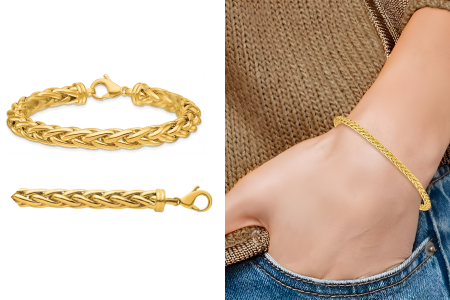
|
| Discover Every Angle Of This 14k Solid Yellow Gold 7.8mm Spiga Wheat Link Chain Bracelet. Click On The Image To View! |
As you explore different styles, you’ll see how the wheat weave adapts to pendants, layering, or bold standalone looks. The chain stays reliable because its interlocking links share tension evenly and resist stretching. With simple cleaning and storage habits, your wheat chain keeps its movement and sparkle for many years.
A well-chosen wheat chain brings both beauty and durability to your jewelry collection. Whether you prefer gold, silver, thick, or slim styles, the weave supports your personal taste without sacrificing comfort. When you pick the right thickness and metal for your lifestyle, the chain adds a touch of elegance that feels natural and expressive every time you wear it.
| Yellow Gold Wheat Chain |
See Also
 |
Anchor Chain Style | 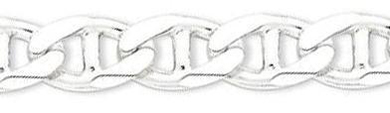 |
|
Ball Chain Style |  |
|
Box Chain Style | 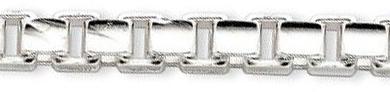 |
|
Byzantine Chain Style |  |
|
Curb Chain Style |  |
|
Figaro Chain Style |  |
|
Herringbone Chain Style |  |
|
Omega Chain Style |  |
|
Snake Chain Style | 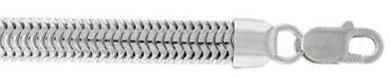 |
|
Rope Chain Style |  |