|
1) White Gold Jewelry Explained: Definition, Composition, and Modern AppealGo To Table Of Content |
White gold jewelry combines pure gold with naturally white metals such as palladium, silver, nickel, or zinc to create a bright, silvery appearance. Its elegant color, strong durability, and compatibility with diamonds have made it one of the most popular precious metal choices for engagement rings, wedding bands, earrings, bracelets, and necklaces. Today, white gold remains a favorite among buyers who want the prestige of gold with a modern and versatile look.
Diamond Eternity Ring In 14K White Gold |
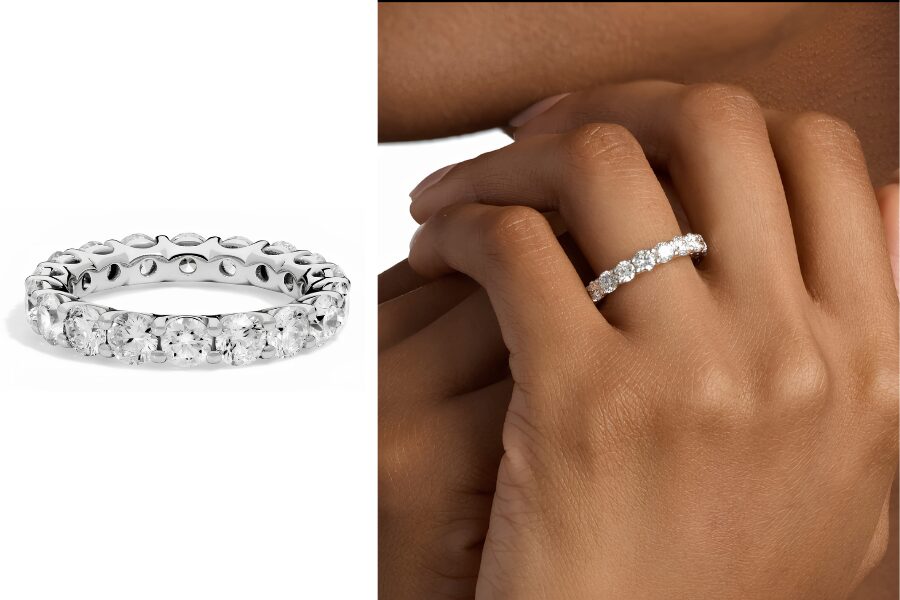
|
|
Tap The Image To Reveal Full Details Of This Elegant Diamond Eternity Ring In 14K White Gold! |
Table Of Contents
- 1) White Gold Jewelry Explained: Definition, Composition, and Modern Appeal
- 2) The History and Evolution of White Gold Jewelry
- 3) How White Gold Is Made
- 4) Rhodium Plating and the White Gold Finish
- 5) White Gold Jewelry Properties and Characteristics
- 6) White Gold Jewelry Versus Other Precious Metals
- 7) Types of White Gold Jewelry
- 8) White Gold Jewelry and Gemstone Pairings
- 9) How to Identify Real White Gold Jewelry
- 10) How to Buy White Gold Jewelry
- 11) White Gold Jewelry Care, Cleaning, and Maintenance
- 12) White Gold Jewelry Myths, Facts, and Common Misconceptions
- 13) Conclusion
- 14) Frequently Asked Questions About White Gold Jewelry

|
1.a) What Is White Gold JewelryGo To Table Of Content |
Many people see white gold jewelry every day without knowing how it differs from yellow gold. Understanding its composition, authenticity, and appeal helps you make informed jewelry-buying decisions and appreciate why this precious metal remains in high demand.
Simple Definition of White Gold
White gold is an alloy made by mixing pure yellow gold with white metals such as palladium, silver, nickel, or zinc. This process lightens gold’s natural yellow color and gives it a pale white appearance. Most white gold jewelry also receives a rhodium coating that creates the bright white finish seen in jewelry stores.
Unlike platinum, white gold does not occur naturally in a white color. Jewelers create it through careful alloying and finishing techniques. The result is a precious metal that offers beauty, strength, and excellent value.
Is White Gold Real Gold
Many first-time buyers wonder whether white gold is genuine gold. The answer is yes. Every piece of white gold jewelry contains real gold, although it also includes other metals that alter its color and improve its durability.
The karat stamp on a piece of jewelry tells you how much gold it contains. For example, 18K white gold contains 75 percent pure gold, while 14K white gold contains about 58.5 percent pure gold. Those percentages make white gold every bit as authentic as yellow gold.
Why White Gold Jewelry Remains Popular Today
Fashion trends come and go, yet white gold continues to hold its place in fine jewelry. Its neutral color complements almost every gemstone, especially diamonds, because it reflects light without adding a yellow tint.
Many buyers also appreciate its balance of luxury and affordability. While platinum often carries a higher price tag, white gold delivers a similar visual appeal at a lower cost. That combination keeps it firmly in the spotlight for engagement rings, wedding jewelry, and everyday accessories.
|
|
1.b) Understanding White Gold as a Precious MetalGo To Table Of Content |
Before choosing white gold jewelry, it helps to understand what gives this metal its unique appearance and performance. Its composition differs from pure gold, yet it still belongs to the precious metal family and retains significant intrinsic value.
The Relationship Between Gold and Alloy Metals
Pure gold is naturally soft, which limits its usefulness in jewelry that faces daily wear. To improve strength and durability, manufacturers blend gold with other metals known as alloys.
These alloy metals influence color, hardness, scratch resistance, and overall performance. Palladium, silver, zinc, and nickel each contribute different characteristics. Together, they transform soft yellow gold into a practical material suitable for rings, bracelets, earrings, and chains.
How White Gold Differs from Pure Gold
Pure gold, often called 24K gold, has a rich yellow color and a very soft structure. While valuable, it scratches and bends more easily than jewelry-grade gold alloys.
White gold contains a lower percentage of pure gold and a higher percentage of strengthening metals. This composition increases durability while creating a lighter color. As a result, white gold jewelry performs much better in everyday use than pure gold jewelry.
Why White Gold Has a White Appearance
The white appearance of white gold comes from two factors working together. First, white alloy metals dilute the natural yellow color of gold. Second, most white gold jewelry receives a rhodium plating that creates a bright, reflective surface.
Without rhodium, white gold often appears slightly gray or creamy rather than bright white. Think of rhodium as the finishing touch that gives white gold its crisp and polished appearance. That finish plays a major role in the metal’s modern appeal.
14K White Gold Seven Stone Lab Grown Diamond Ring |
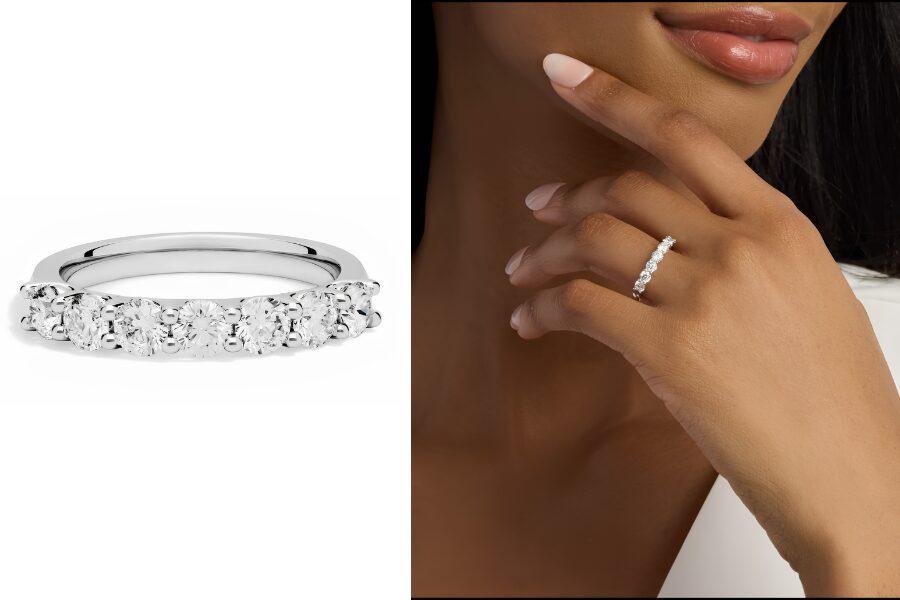
|
|
Click On The Image To View Details And Own This Gorgeous 14K White Gold Seven Stone Lab Grown Diamond Ring! |
|
|
2) The History and Evolution of White Gold JewelryGo To Table Of Content |
White gold jewelry emerged as a practical and stylish alternative to platinum during the early twentieth century. Over time, changing fashion trends, advances in metallurgy, and growing consumer demand helped white gold become one of the most popular precious metals in fine jewelry. Its history reflects a blend of innovation, affordability, and timeless appeal.
|
|
2.a) Origins of White GoldGo To Table Of Content |
The story of white gold began when jewelers searched for a metal that could offer the appearance of platinum at a lower cost. Through alloying techniques, they created a new form of gold that combined beauty, strength, and versatility. That breakthrough changed the jewelry industry and expanded consumer choice.
Early Development as an Alternative to Platinum
During the late nineteenth and early twentieth centuries, platinum gained a reputation as a luxury metal. Its natural white color, rarity, and durability attracted wealthy buyers, especially in Europe and North America.
Because platinum commanded high prices and required specialized manufacturing techniques, jewelers explored alternatives. By blending gold with naturally white metals, they developed white gold alloys that delivered a similar appearance while remaining more accessible to a wider audience.
The Rise of White Gold During the Twentieth Century
Demand for white gold increased significantly during the 1920s and 1930s. As platinum became more expensive and less readily available, many consumers turned to white gold for engagement rings, wedding bands, and diamond jewelry.
Another factor accelerated its popularity. During World War II, governments reserved platinum for military and industrial purposes. White gold stepped into the spotlight and quickly established itself as a leading precious metal for fine jewelry.
White Gold in Modern Jewelry Design
Today’s jewelry market embraces white gold across countless styles and price points. Designers use it for engagement rings, bridal jewelry, diamond earrings, tennis bracelets, necklaces, and luxury fashion pieces.
Its enduring popularity comes from a simple advantage. White gold complements diamonds and colored gemstones without overpowering them. As a result, it remains a trusted choice for both classic and contemporary jewelry designs.
|
|
2.b) White Gold Through Different Jewelry ErasGo To Table Of Content |
Fashion constantly changes, yet white gold continues to adapt. Each jewelry era has used the metal in different ways, reflecting shifts in design preferences, consumer tastes, and gemstone trends.
Art Deco Influence on White Gold Jewelry
The Art Deco period of the 1920s and 1930s played a major role in popularizing white gold jewelry. Designers favored clean lines, geometric shapes, and striking contrasts, all of which worked beautifully with white metals.
Diamonds, sapphires, emeralds, and onyx often appeared in white gold settings during this era. The metal’s bright appearance enhanced the sharp visual style that became a hallmark of Art Deco jewelry.
Post-War Popularity and Market Growth
Following World War II, economic growth increased demand for fine jewelry across many countries. White gold became a practical option for consumers who wanted an elegant look without the higher cost often associated with platinum.
Manufacturing improvements also contributed to its success. Better alloy formulas, refined casting methods, and wider retail availability helped white gold jewelry reach a larger audience than ever before.
Contemporary Trends in White Gold Jewelry
Modern jewelry trends continue to favor white gold for its versatility and clean appearance. Minimalist engagement rings, halo settings, pavé designs, and diamond tennis bracelets frequently feature white gold as the metal of choice.
Consumer preferences have also evolved. Many buyers appreciate jewelry that works effortlessly with both casual and formal clothing. In that respect, white gold acts like a quiet supporting actor that helps gemstones take center stage while maintaining an elegant and refined look.
14K White Gold Diamond Wrap Fashion Ring |
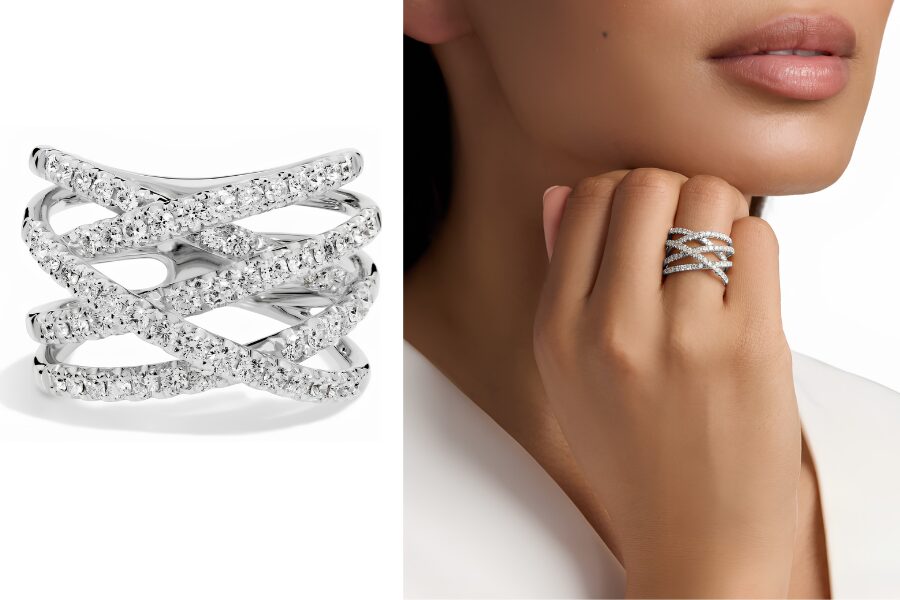
|
|
Click On The Image To Reveal Full Details Of This Stunning 14K White Gold Diamond Wrap Fashion Ring! |
|
|
3) How White Gold Is MadeGo To Table Of Content |
White gold begins as naturally yellow gold and gains its lighter appearance through a carefully controlled alloying process. By combining gold with selected white metals, manufacturers create a precious metal that offers improved strength, durability, and a modern white color. Understanding this process helps you appreciate why white gold jewelry differs from both pure gold and platinum.
|
|
3.a) The White Gold Manufacturing ProcessGo To Table Of Content |
Creating white gold involves more than simply changing the color of gold. Jewelers use specific metal combinations and finishing techniques to produce a durable alloy that meets modern jewelry standards while maintaining the value of genuine gold.
From Yellow Gold to White Gold Alloy
Every piece of white gold starts with yellow gold. During manufacturing, refiners melt gold and mix it with carefully measured amounts of white metals such as palladium, silver, nickel, or zinc.
This blending process changes both the color and physical properties of the metal. Once the alloy cools and solidifies, jewelers shape it into rings, bracelets, necklaces, earrings, and other fine jewelry pieces. The result is a stronger metal that better withstands daily wear.
The Science Behind Gold Bleaching
Gold naturally displays a rich yellow color because of the way its atoms interact with light. Adding white metals dilutes that yellow appearance and shifts the color closer to white.
Although many people describe this process as bleaching, no chemical bleach is involved. Instead, the alloy metals alter the visual characteristics of gold. Even then, most white gold retains a slight warm tint until jewelers apply a rhodium finish.
Why Pure Gold Is Not Used for Most Jewelry
Pure gold, also known as 24K gold, bends and scratches easily because of its softness. A ring made entirely from pure gold could deform during normal daily use.
To solve this problem, manufacturers add harder metals that increase strength and wear resistance. Those additions allow white gold jewelry to maintain its shape while preserving the precious-metal value that buyers expect.
|
|
3.b) Metals Commonly Mixed with White GoldGo To Table Of Content |
Different alloy metals give white gold its color, hardness, and overall performance. The exact formula varies among manufacturers, which explains why some white gold alloys perform differently from others.
Nickel in White Gold Alloys
For many years, nickel served as one of the most common alloy metals in white gold. It produces a relatively bright color and increases hardness, making it useful for rings and other jewelry that experiences frequent wear.
Despite those advantages, nickel can trigger allergic reactions in some people. Because of this concern, many jewelers now offer nickel-free white gold alternatives, especially in premium jewelry collections.
Palladium White Gold Alloys
Palladium belongs to the platinum family of precious metals and creates high-quality white gold alloys. Unlike nickel, palladium rarely causes skin sensitivity issues, making it a popular choice for people with metal allergies.
Another benefit comes from its naturally white color. Palladium helps produce a brighter alloy and often creates a more premium white gold product. Since palladium itself is valuable, however, these alloys usually cost more.
Silver, Zinc, and Other Alloying Metals
Many manufacturers include silver and zinc in their white gold formulas. Silver contributes brightness, while zinc can improve casting performance and strengthen the alloy.
Some recipes also contain small amounts of copper or other metals to achieve specific characteristics. Each formula represents a balancing act between color, durability, workability, and cost. Like ingredients in a recipe, small changes can noticeably affect the final result.
|
|
3.c) Understanding White Gold PurityGo To Table Of Content |
The purity of white gold depends on how much pure gold the alloy contains. Karat ratings help you compare different options and understand the balance between gold content, durability, and price.
10K White Gold
Ten-karat white gold contains 41.7 percent pure gold and 58.3 percent alloy metals. Because it contains a larger proportion of strengthening metals, it offers excellent durability and scratch resistance.
Budget-conscious buyers often choose 10K white gold for everyday jewelry. Although it contains less gold than higher-karat options, it remains genuine gold jewelry and provides strong long-term performance.
14K White Gold
Fourteen-karat white gold contains 58.5 percent pure gold and 41.5 percent alloy metals. Many jewelers consider it the sweet spot between durability, value, and precious-metal content.
For engagement rings and wedding bands, 14K white gold remains one of the most popular choices. It holds gemstones securely while providing greater resistance to wear than higher-karat alternatives.
18K White Gold
Eighteen-karat white gold contains 75 percent pure gold and 25 percent alloy metals. Its higher gold content gives it greater intrinsic value and often appeals to buyers seeking luxury jewelry.
Compared with 14K white gold, it feels slightly softer and may show wear more quickly. Even so, many high-end engagement rings and designer jewelry collections feature 18K white gold because of its premium status.
24K Gold and Why White Gold Is Different
Twenty-four-karat gold represents pure gold with no alloy metals added. Because white gold requires additional metals to create its color and strength, true 24K white gold does not exist.
Once manufacturers add alloy metals to achieve a white appearance, the purity drops below 24K. That simple fact explains why white gold and pure gold occupy different places in the jewelry market.
14K White Gold Diamond Eternity Hoop Earrings |
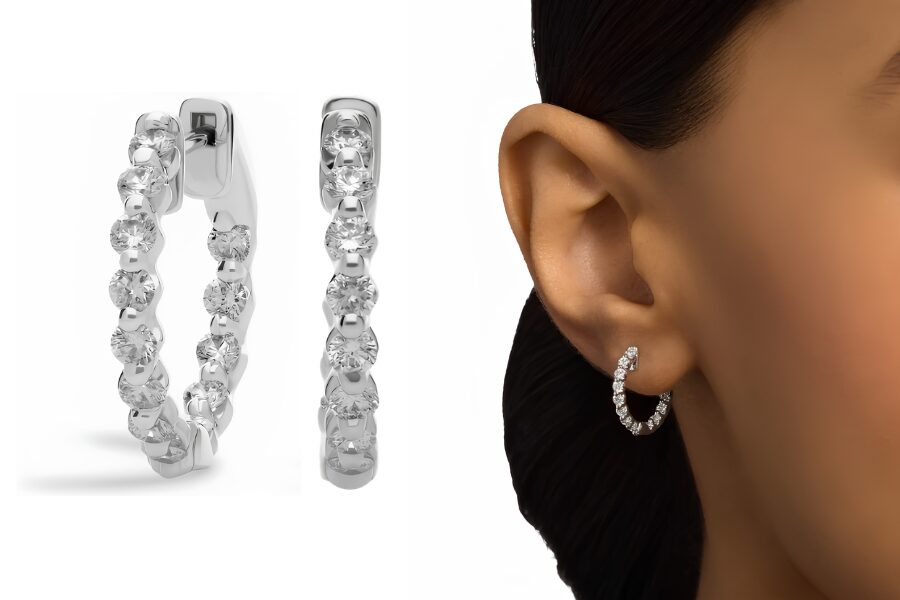
|
|
Click On The Image To Reveal Full Details Of These Elegant 14K White Gold Diamond Eternity Hoop Earrings! |
|
|
4) Rhodium Plating and the White Gold FinishGo To Table Of Content |
Rhodium plating plays a major role in the appearance and performance of white gold jewelry. This thin layer of precious metal gives white gold its bright white shine while adding extra protection against scratches and wear. Understanding rhodium plating helps you maintain the beauty and value of your white gold jewelry over time.
|
|
4.a) Why White Gold Jewelry Is Rhodium PlatedGo To Table Of Content |
Many buyers assume white gold naturally has a bright white color, but that is not entirely true. Jewelers apply rhodium plating to improve appearance, increase surface durability, and create the polished finish most people expect from modern white gold jewelry.
The Natural Color of White Gold
Although white gold appears lighter than yellow gold, its natural color is usually soft gray, pale cream, or slightly off-white. The exact shade depends on the alloy metals used during manufacturing.
Without rhodium plating, many white gold pieces would show a subtle warm tint. While still attractive, they would not display the bright, mirror-like finish that most consumers associate with high-quality white gold jewelry.
How Rhodium Enhances Appearance
Rhodium belongs to the platinum family of precious metals and has a naturally brilliant white color. During plating, jewelers apply an extremely thin rhodium layer over the surface of the white gold.
This coating creates a brighter and more reflective finish. As light moves across the jewelry, rhodium helps produce the crisp shine that makes diamonds and other gemstones appear even more vibrant. In many ways, rhodium acts like the final brushstroke on a completed painting.
Benefits of Rhodium Coating
Beyond appearance, rhodium offers several practical advantages. Its hard surface helps reduce minor scratches and everyday wear, allowing jewelry to maintain its polished look longer.
Another benefit involves skin comfort. Since the rhodium layer separates your skin from the underlying alloy, it can reduce exposure to metals such as nickel. Many buyers appreciate this added layer of protection along with the enhanced shine.
|
|
4.b) Rhodium Plating MaintenanceGo To Table Of Content |
Rhodium plating does not last forever. Over time, normal wear gradually thins the coating, especially on rings and bracelets that experience constant contact with hard surfaces. Regular maintenance keeps white gold jewelry looking its best.
How Long Rhodium Plating Lasts
The lifespan of rhodium plating varies according to wear habits, lifestyle, and jewelry type. Rings often show wear sooner because they frequently come into contact with desks, tools, countertops, and other hard surfaces.
For many people, rhodium plating lasts between one and three years before noticeable fading appears. Earrings and necklaces often retain their finish longer because they encounter less friction during daily wear.
Signs That Replating Is Needed
One of the first signs of wear is a slight yellowish or creamy tone appearing beneath the bright white surface. Areas that receive frequent contact usually show these changes first.
Dullness, reduced reflectivity, or uneven coloring may also indicate that the rhodium layer has worn thin. Once those signs become visible, a professional jeweler can restore the original finish through replating.
Cost of Rhodium Replating
The cost of rhodium replating depends on factors such as jewelry size, design complexity, condition, and local labor rates. A simple ring generally costs less to replate than a large bracelet or intricate gemstone setting.
Even though replating involves an additional maintenance expense, many owners consider it worthwhile. A fresh rhodium finish can make white gold jewelry look remarkably close to new again, often restoring much of its original brilliance and visual appeal.
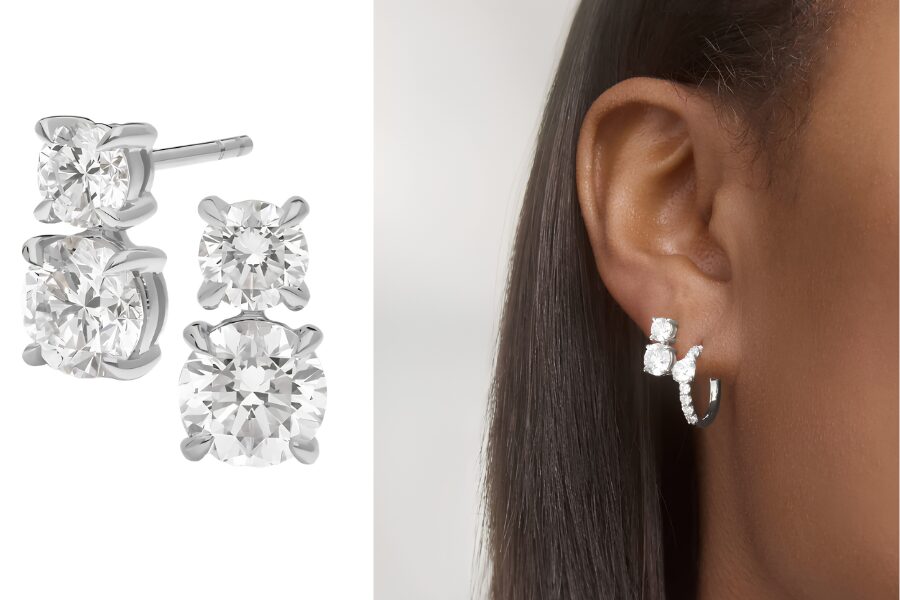
14K White Gold Two Stone
|
|
|
Click On The Image To Reveal Full Details Of These Elegant 14K White Gold Two Stone Diamond Stud Earrings! |
|
|
5) White Gold Jewelry Properties and CharacteristicsGo To Table Of Content |
White gold jewelry offers a unique combination of beauty, durability, and versatility. Its bright appearance, strong wear resistance, and compatibility with diamonds and gemstones have helped it remain one of the most popular precious metals in fine jewelry. Understanding its key properties can help you choose the right piece for your lifestyle and budget.
|
|
5.a) Color, Luster, and AppearanceGo To Table Of Content |
The appearance of white gold plays a major role in its popularity. Its bright white finish, reflective surface, and ability to complement gemstones make it a preferred choice for engagement rings, wedding bands, earrings, bracelets, and necklaces.
The Signature Look of White Gold
White gold displays a clean, elegant appearance that works well with both traditional and modern jewelry designs. Its neutral color pairs easily with different clothing styles and gemstone colors, making it one of the most versatile precious metals available.
Because most white gold jewelry features rhodium plating, it often shows a bright, mirror-like shine. Many buyers appreciate this crisp appearance because it looks sophisticated without appearing overly flashy.
Why Diamonds Look Brighter in White Gold
Diamonds reflect and refract light more effectively when set in white-colored metals. Since white gold does not introduce yellow tones into the setting, it allows the diamond’s natural brilliance and fire to stand out more clearly.
For this reason, jewelers frequently use white gold in engagement rings and diamond earrings. Many gem experts believe white gold creates a clean visual backdrop that helps diamonds become the center of attention.
White Gold and Colored Gemstones
While white gold works exceptionally well with diamonds, it also complements many colored gemstones. Sapphires, emeralds, rubies, aquamarines, tanzanites, and morganites often appear striking when paired with white gold settings.
Its neutral color allows gemstones to display their natural hues without interference. In many cases, white gold acts like a picture frame that highlights the beauty of the stone rather than competing with it.
|
|
5.b) Durability and WearabilityGo To Table Of Content |
Beyond appearance, white gold performs well in everyday jewelry. Alloy metals strengthen the gold and help it withstand regular wear, making it suitable for pieces that people wear daily.
Hardness and Scratch Resistance
Pure gold scratches easily because of its soft structure. White gold gains additional hardness from alloy metals such as palladium, nickel, silver, and zinc.
Although no jewelry metal is completely scratch-proof, white gold generally resists wear better than pure gold. This added durability makes it a practical choice for rings, bracelets, and wedding bands.
Daily Wear Performance
Many people wear white gold jewelry every day without issues. Its combination of strength, beauty, and manageable maintenance requirements makes it well suited for active lifestyles.
Rings experience the greatest exposure to impacts and abrasion, yet quality white gold can handle normal daily activities effectively. Periodic cleaning and occasional rhodium maintenance help preserve its appearance.
Longevity of White Gold Jewelry
With proper care, white gold jewelry can last for generations. The underlying gold alloy remains durable and retains its precious-metal value over time.
Occasional rhodium replating may become necessary, especially for frequently worn pieces. Even so, the jewelry itself does not wear out quickly, which helps make white gold a long-term investment in both beauty and craftsmanship.
|
|
5.c) Hypoallergenic ConsiderationsGo To Table Of Content |
Some buyers have sensitive skin and need to consider metal allergies before purchasing jewelry. The alloy composition of white gold can affect how comfortable a piece feels during long-term wear.
Nickel Allergies and Skin Sensitivity
Certain white gold alloys contain nickel because it improves hardness and lightens the metal’s color. Unfortunately, nickel can trigger skin irritation, redness, itching, or allergic reactions in sensitive individuals.
If you have experienced reactions to jewelry in the past, checking the alloy composition becomes important. Many reputable jewelers now provide detailed information about the metals used in their white gold products.
Palladium White Gold for Sensitive Skin
Palladium white gold offers a popular alternative for people who want to avoid nickel exposure. Since palladium belongs to the platinum family, it provides excellent color and durability while remaining gentler on sensitive skin.
Many premium white gold collections use palladium-based alloys for this reason. Although such jewelry often costs more, buyers frequently consider the added comfort worthwhile.
Choosing Allergy-Friendly White Gold Jewelry
Before purchasing white gold jewelry, ask whether the alloy contains nickel or uses palladium instead. Reputable jewelers can usually provide this information along with details about metal purity and composition.
If skin sensitivity concerns you, nickel-free white gold often provides greater peace of mind. Choosing the right alloy from the start can help you enjoy your jewelry comfortably for many years.
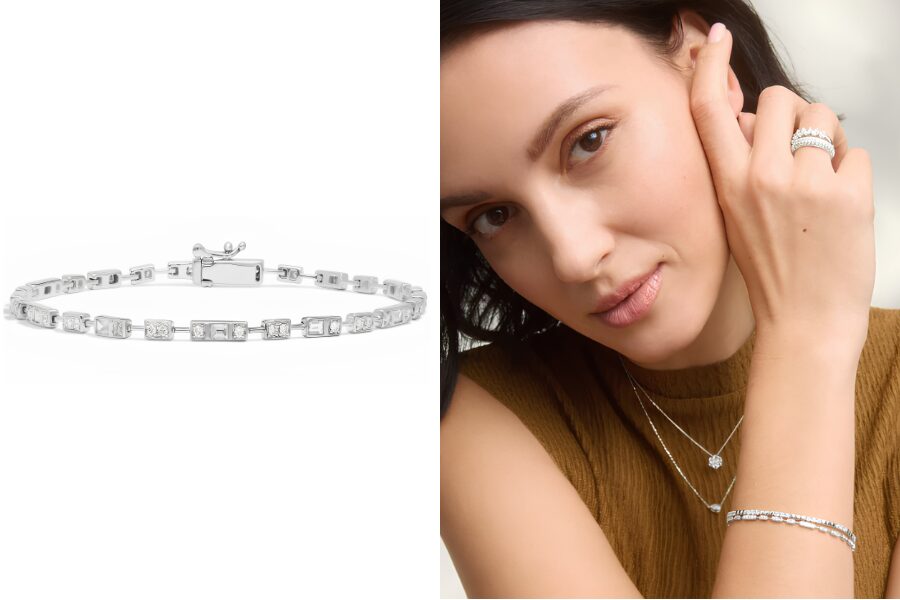
14K White Gold Round And
|
|
|
Click On The Image To Reveal Full Details Of This Elegant 14K White Gold Round And Baguette Diamond Bracelet! |
|
|
6) White Gold Jewelry Versus Other Precious MetalsGo To Table Of Content |
Choosing the right precious metal can significantly affect the appearance, durability, maintenance needs, and value of your jewelry. White gold often competes with yellow gold, platinum, silver, and palladium because each metal offers distinct advantages. Understanding these differences helps you select a metal that fits your style, budget, and long-term expectations.
|
|
6.a) White Gold vs Yellow GoldGo To Table Of Content |
White gold and yellow gold contain genuine gold, yet they differ greatly in appearance and overall style. While both remain popular choices for fine jewelry, their color, maintenance needs, and visual impact appeal to different buyers.
Appearance and Style Differences
White gold offers a bright, modern appearance that complements diamonds and contemporary jewelry designs. Its neutral color creates a clean and elegant look that works well with both men’s and women’s jewelry.
Yellow gold displays the rich golden hue that many people associate with traditional fine jewelry. For buyers who appreciate vintage, classic, or heirloom-inspired designs, yellow gold often feels warmer and more traditional.
Durability and Maintenance Comparison
Since both metals contain alloy metals, durability depends largely on their karat rating and alloy composition. Fourteen-karat white gold and fourteen-karat yellow gold generally offer similar structural strength.
Maintenance requirements differ, however. White gold usually requires periodic rhodium replating to maintain its bright white finish. Yellow gold does not need rhodium coating, which reduces long-term maintenance.
Price and Value Considerations
Because both metals contain similar amounts of gold at the same karat level, their prices often remain relatively close. Differences usually arise from alloy composition, craftsmanship, brand reputation, and gemstone quality.
Long-term value depends more on gold content and jewelry quality than color alone. For many buyers, the decision comes down to personal style rather than investment considerations.
|
|
6.b) White Gold vs PlatinumGo To Table Of Content |
White gold and platinum often appear similar at first glance, yet they differ significantly in composition, weight, durability, and price. These distinctions play an important role when selecting engagement rings, wedding bands, and luxury jewelry.
Metal Composition Differences
White gold consists of gold mixed with white alloy metals such as palladium, silver, nickel, or zinc. Most white gold jewelry also receives a rhodium coating to create its bright finish.
Platinum differs because it is naturally white and highly pure. Many platinum jewelry pieces contain 90 to 95 percent platinum, which eliminates the need for rhodium plating to achieve a white appearance.
Weight, Durability, and Prestige
One of the first differences you may notice is weight. Platinum feels substantially heavier than white gold, giving it a dense and luxurious feel.
Although both metals offer excellent durability, platinum wears differently. Instead of losing small amounts of metal through scratches, platinum often shifts metal across the surface. Many buyers associate platinum with exclusivity and prestige because of its rarity and higher cost.
Which Metal Offers Better Value
For buyers seeking a balance between appearance and affordability, white gold often provides excellent value. It delivers a look similar to platinum while typically costing less.
Platinum may appeal more to those who prioritize purity, natural whiteness, and long-term durability. Ultimately, the better value depends on your budget, lifestyle, and personal preferences.
|
|
6.c) White Gold vs SilverGo To Table Of Content |
White gold and silver share a similar color, which sometimes causes confusion among new jewelry buyers. Despite their visual similarities, these metals differ considerably in value, durability, and maintenance requirements.
Visual Similarities and Differences
At first glance, polished silver and white gold can look remarkably alike. Both display a bright white appearance that pairs beautifully with diamonds and colored gemstones.
Closer inspection often reveals differences. White gold generally offers a more refined finish and greater long-term color stability, especially when protected by rhodium plating.
Tarnish, Durability, and Maintenance
Silver reacts with sulfur compounds in the air and can develop tarnish over time. Regular cleaning helps restore its shine, though ongoing maintenance remains part of silver ownership.
White gold does not tarnish in the same way because of its gold content. While rhodium plating may wear gradually, the underlying metal typically maintains its appearance better than silver during long-term use.
Long-Term Ownership Costs
Silver usually costs less at the time of purchase, making it attractive for budget-conscious shoppers. However, lower durability can lead to more frequent maintenance or replacement over time.
White gold carries a higher initial price because it contains genuine gold. Many buyers view that additional cost as worthwhile because of greater durability, stronger resale value, and longer service life.
|
|
6.d) White Gold vs PalladiumGo To Table Of Content |
White gold and palladium share a similar appearance, yet they differ in composition, rarity, weight, and pricing. Both metals serve as excellent choices for fine jewelry and gemstone settings.
Metal Characteristics Compared
White gold derives its strength and color from a combination of gold and alloy metals. Palladium, by contrast, belongs to the platinum family and occurs naturally as a white precious metal.
Another difference involves density. Palladium weighs less than platinum and often feels lighter than comparable jewelry made from other precious metals.
Advantages and Disadvantages of Each
White gold offers broad availability, extensive design options, and generally lower purchase prices. Its popularity means you can find it in nearly every jewelry category, from engagement rings to tennis bracelets.
Palladium provides natural whiteness and excellent resistance to discoloration. Availability can vary, however, and market fluctuations sometimes affect pricing more dramatically than white gold.
Which Metal Suits Different Buyers
If you want the prestige of gold, a wide selection of designs, and strong overall value, white gold remains an excellent choice. Many engagement ring buyers choose it for precisely those reasons.
For individuals with sensitive skin or a preference for naturally white precious metals, palladium may offer advantages. Your final decision should reflect personal style, comfort, maintenance expectations, and budget.
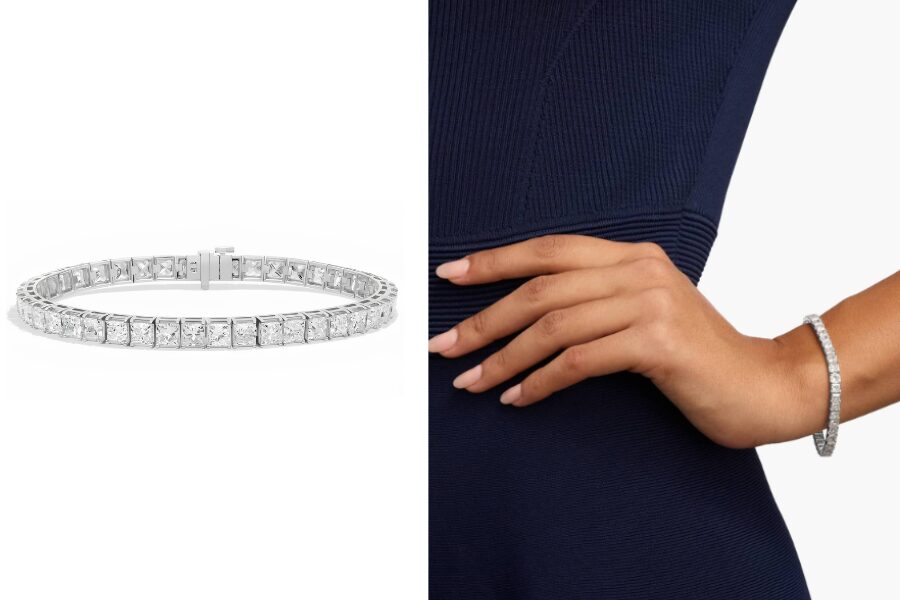
14K White Gold Princess Cut
|
|
|
Click On The Image To Reveal Full Details Of This Stunning 14K White Gold Princess Cut Diamond Tennis Bracelet! |
|
|
7) Types of White Gold JewelryGo To Table Of Content |
White gold appears in nearly every major jewelry category, from engagement rings and wedding bands to chains, bracelets, and earrings. Its bright white finish complements diamonds, colored gemstones, and modern jewelry designs. Because of its versatility, white gold remains a popular choice for both everyday wear and special occasions.
|
|
7.a) White Gold RingsGo To Table Of Content |
White gold rings represent one of the largest segments of the fine jewelry market. Their combination of durability, beauty, and compatibility with gemstones makes them a favorite choice for engagement, wedding, and fashion jewelry.
White Gold Engagement Rings
White gold engagement rings remain among the most popular engagement ring styles worldwide. Their bright white appearance enhances diamond brilliance and creates a clean, elegant setting for center stones.
Many jewelers use white gold in solitaire, halo, pavé, three-stone, and vintage-inspired engagement ring designs. Since white gold offers a balance between luxury and affordability, many couples view it as an excellent choice for bridal jewelry.
White Gold Wedding Bands
Wedding bands crafted from white gold offer a timeless and versatile look. Their neutral color pairs easily with engagement rings and complements a wide range of personal styles.
Some couples prefer simple polished bands, while others choose diamond-set wedding rings or engraved designs. Regardless of style, white gold wedding bands continue to symbolize commitment while maintaining everyday practicality.
White Gold Fashion Rings
Fashion rings allow you to express personality, style, and creativity. White gold serves as an ideal foundation for gemstone rings, cocktail rings, statement rings, and contemporary designer pieces.
Because its color does not compete with gemstones, white gold helps highlight diamonds, sapphires, rubies, emeralds, and many other precious stones. That flexibility makes it a favorite among jewelry designers.
|
|
7.b) White Gold Necklaces and ChainsGo To Table Of Content |
White gold necklaces and chains combine elegance with versatility. Whether worn alone or paired with a pendant, they provide a refined look suitable for both casual and formal occasions.
Popular White Gold Chain Styles
White gold chains come in many styles, each offering a different appearance and level of durability. Popular choices include curb chains, cable chains, box chains, rope chains, Figaro chains, wheat chains, and snake chains.
Some chain styles emphasize strength, while others focus on visual appeal. Your choice often depends on whether you plan to wear the chain alone or use it to support a pendant.
White Gold Pendants and Necklaces
White gold necklaces frequently feature diamond pendants, gemstone pendants, religious symbols, lockets, initials, and contemporary designs. The metal’s bright finish helps draw attention to the centerpiece without overpowering it.
Many people appreciate white gold necklaces because they transition easily from day to evening wear. Their understated elegance works well with a wide variety of fashion styles.
Men’s White Gold Chains
Men’s white gold chains have gained popularity because they offer a sophisticated alternative to traditional yellow gold jewelry. Their clean appearance complements modern fashion and pairs easily with casual or formal clothing.
Popular styles include curb chains, Cuban link chains, rope chains, and box chains. Many men prefer white gold because it provides luxury without appearing overly bold.
|
|
7.c) White Gold BraceletsGo To Table Of Content |
White gold bracelets offer an attractive blend of comfort, durability, and style. From classic diamond bracelets to contemporary designer pieces, this jewelry category remains highly sought after.
Tennis Bracelets
Tennis bracelets typically feature a continuous row of diamonds linked together in a flexible setting. White gold enhances the brightness of the diamonds and creates a seamless, elegant appearance.
Because of their timeless design, tennis bracelets remain popular for anniversaries, special occasions, and luxury gifts. Their beauty rarely goes out of style.
Bangle Bracelets
White gold bangles offer a sleek and sophisticated look. Some designs feature a simple polished surface, while others incorporate diamonds, engravings, or gemstone accents.
Many people enjoy stacking multiple bangles to create a layered appearance. Others prefer a single statement piece that delivers understated elegance.
Designer White Gold Bracelets
Designer white gold bracelets often combine innovative craftsmanship with premium materials. Jewelers may incorporate diamonds, colored gemstones, intricate metalwork, or unique geometric patterns.
These bracelets appeal to buyers seeking distinctive jewelry with strong visual character. In many cases, they serve as both fashion accessories and collectible luxury pieces.
|
|
7.d) White Gold EarringsGo To Table Of Content |
White gold earrings remain a staple in fine jewelry because they pair effortlessly with diamonds and gemstones. Their bright finish complements a wide range of face shapes, styles, and occasions.
Diamond Stud Earrings
Diamond stud earrings rank among the most popular white gold jewelry pieces ever created. Their simple design highlights the brilliance of the diamonds while maintaining a refined and elegant appearance.
Because they work well with casual, business, and formal attire, many people consider diamond studs an essential jewelry item. White gold helps maximize their brightness and visual impact.
Hoop Earrings
White gold hoop earrings offer a versatile style that ranges from subtle to dramatic. Small hoops provide a clean everyday look, while larger designs create a stronger fashion statement.
Modern jewelers often add diamonds or gemstone accents to elevate the design. Despite changing fashion trends, hoop earrings continue to maintain widespread popularity.
Drop and Dangle Earrings
Drop and dangle earrings create movement and visual interest. White gold serves as an excellent setting for diamonds, pearls, sapphires, emeralds, and many other gemstones.
Whether you prefer minimalist elegance or intricate luxury designs, these earrings can add sophistication to almost any outfit. Their graceful movement often makes them especially appealing for formal occasions.
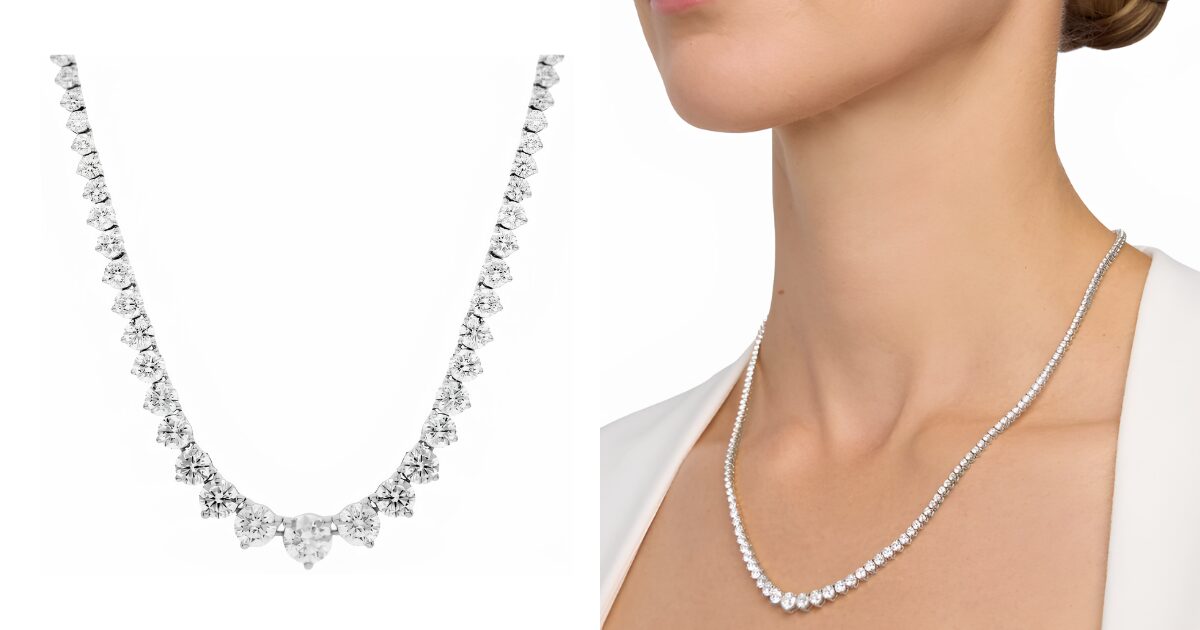
Graduated 14K White Gold
|
|
|
Click On The Image To Reveal Full Details Of This Spectacular Graduated 14K White Gold Diamond Eternity Necklace! |
|
|
8) White Gold Jewelry and Gemstone PairingsGo To Table Of Content |
White gold jewelry pairs beautifully with diamonds and a wide range of precious gemstones. Its neutral white color allows gemstones to display their natural brilliance, color, and visual depth without distraction. Because of this versatility, white gold remains one of the most popular metals for gemstone jewelry.
|
|
8.a) White Gold and DiamondsGo To Table Of Content |
Diamonds and white gold create one of the most enduring combinations in fine jewelry. The bright white appearance of the metal enhances diamond sparkle and helps maximize light reflection, making diamonds appear more brilliant and eye-catching.
Why White Gold Complements Diamonds
Diamonds reflect light most effectively when paired with a neutral-colored setting. Since white gold does not introduce noticeable color into the design, it allows a diamond’s brilliance, fire, and scintillation to take center stage.
Many jewelers prefer white gold for diamond jewelry because it creates a clean and elegant appearance. The bright metal acts like a spotlight that helps the gemstone attract attention without competing for it.
Popular Diamond Jewelry Styles
White gold appears in many popular diamond jewelry styles. Engagement rings, wedding bands, tennis bracelets, stud earrings, pendants, and anniversary rings frequently feature white gold settings.
Designers often combine white gold with solitaire diamonds, halo settings, pavé accents, three-stone designs, and vintage-inspired patterns. This flexibility allows buyers to choose from a wide range of classic and contemporary styles.
White Gold Diamond Engagement Rings
Few jewelry combinations enjoy greater popularity than a diamond engagement ring crafted in white gold. The metal’s bright finish enhances the center stone while maintaining an elegant and timeless appearance.
Whether you choose a round brilliant, oval, cushion, emerald, pear, princess, or radiant cut diamond, white gold provides an attractive setting. Its balance of beauty, durability, and value makes it a favorite among engaged couples.
|
|
8.b) White Gold and Colored GemstonesGo To Table Of Content |
While diamonds receive much of the attention, white gold also pairs exceptionally well with colored gemstones. Its neutral tone allows vibrant gem colors to stand out clearly and display their natural beauty.
Sapphire and White Gold Combinations
Blue sapphires and white gold create a striking contrast that many jewelry enthusiasts admire. The bright white metal highlights the deep blue color of the gemstone, creating a refined and sophisticated appearance.
Because sapphires rank highly on the Mohs hardness scale, they work well in rings, earrings, pendants, and bracelets. Their durability makes them suitable for both everyday wear and special occasions.
Emerald and White Gold Combinations
Emeralds display rich green hues that pair beautifully with white gold. The cool white background helps emphasize the gemstone’s vivid color while adding a modern touch to a classic gemstone.
Many designers use white gold in emerald engagement rings, cocktail rings, and luxury necklaces. The combination often feels fresh, elegant, and visually distinctive.
Ruby and White Gold Combinations
Rubies bring intense red color and strong visual impact to white gold jewelry. Against a bright white setting, the gemstone’s rich tones appear even more vibrant and dramatic.
Many buyers choose ruby and white gold combinations for anniversary gifts, statement jewelry, and heirloom-quality pieces. The contrast between red and white creates a timeless and sophisticated look.
|
|
8.c) White Gold and Modern Gemstone TrendsGo To Table Of Content |
Jewelry trends continue to evolve, and white gold remains at the center of many contemporary designs. From lab-grown diamonds to unusual gemstone combinations, designers frequently rely on white gold to showcase modern creativity.
Lab-Grown Diamonds in White Gold
Lab-grown diamonds have become increasingly popular because they offer the same physical, chemical, and optical properties as natural diamonds. White gold provides an ideal setting for these stones because it enhances their brilliance and clean appearance.
Many consumers appreciate the combination of lab-grown diamonds and white gold because it delivers luxury, beauty, and value. As demand grows, jewelers continue expanding their selection of these designs.
Fancy Color Diamonds in White Gold
Fancy color diamonds appear in shades such as yellow, pink, blue, green, and brown. White gold often serves as an effective setting because it allows these unique colors to remain the focal point of the design.
A bright white metal frame can help colored diamonds appear more vivid and visually distinct. This approach has become increasingly popular in custom engagement rings and designer jewelry collections.
Contemporary Designer Combinations
Modern jewelry designers frequently mix white gold with unconventional gemstone combinations. Diamonds may appear alongside sapphires, emeralds, morganites, aquamarines, spinels, or other colorful gems.
Creative settings, geometric designs, and mixed-stone arrangements continue gaining popularity. In many of these pieces, white gold acts as a versatile canvas that allows the gemstones to tell the story.
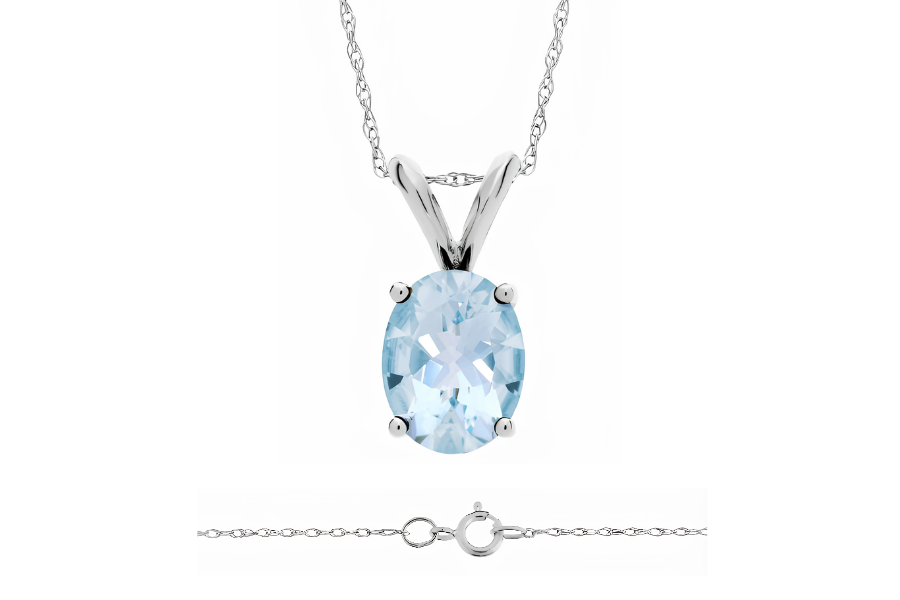
14K White Gold Oval
|
|
|
Click On The Image To Reveal Full Details Of This Beautiful 14K White Gold Oval Aquamarine Pendant Necklace! |
|
|
9) How to Identify Real White Gold JewelryGo To Table Of Content |
Real white gold jewelry contains a blend of pure gold and white alloy metals such as nickel, palladium, or silver. By checking hallmarks, certifications, and physical characteristics, you can verify whether a piece contains genuine white gold. Understanding these identification methods helps you make informed jewelry purchases and avoid costly mistakes.
|
|
9.a) Hallmarks and Purity MarksGo To Table Of Content |
Hallmarks and purity marks provide some of the most reliable clues about white gold authenticity. These stamps identify gold content and help buyers distinguish genuine white gold jewelry from plated or imitation pieces.
Understanding 10K, 14K, and 18K Stamps
Most genuine white gold jewelry carries a karat stamp that indicates gold purity. Common markings include 10K, 14K, and 18K, which represent approximately 41.7%, 58.5%, and 75% pure gold respectively.
While higher-karat white gold contains more gold, lower-karat alloys often provide greater durability. When you examine a ring, necklace, bracelet, or earring, the karat stamp usually appears inside the band, near the clasp, or on another discreet section of the jewelry.
Reading White Gold Hallmarks
Besides karat marks, many pieces display manufacturer trademarks, assay marks, or country-specific hallmarks. These markings help identify the jewelry maker and confirm that the piece meets legal precious metal standards.
A clear hallmark does not guarantee quality on its own, though it serves as an important starting point. For greater confidence, combine hallmark inspection with additional verification methods.
Certification and Authentication
High-value white gold jewelry often comes with certificates from reputable jewelers or independent gemological laboratories. These documents describe the metal purity, gemstone details, and other important specifications.
When purchasing expensive jewelry, ask for written documentation whenever possible. A trustworthy seller should willingly provide authentication details and answer questions about the piece.
|
|
9.b) Testing and Verification MethodsGo To Table Of Content |
Several testing methods can help determine whether a piece contains genuine white gold. Some techniques require professional equipment, while others offer simple ways to perform an initial assessment at home.
Professional Jewelry Evaluation
Professional jewelers use specialized tools to verify precious metal content accurately. Techniques may include X-ray fluorescence analysis, acid testing, electronic metal testing, and detailed microscopic examination.
Because these methods provide reliable results without guesswork, professional evaluation remains one of the safest ways to confirm authenticity. This approach proves especially valuable for vintage, inherited, or high-value jewelry.
Home Identification Techniques
Although home testing cannot provide absolute confirmation, a few simple checks can help you identify potential concerns. Start by examining the hallmark, overall craftsmanship, weight, and finish of the jewelry.
A genuine white gold piece often feels solid and displays consistent workmanship. If a piece shows unusual discoloration, rough construction, or missing purity marks, further investigation may be necessary.
Common Misconceptions About White Gold
Many people assume white gold naturally looks bright silver-white forever. In reality, most white gold jewelry receives a rhodium plating that enhances its appearance and gradually wears over time.
Another common misconception involves magnetism. White gold generally does not attract strong magnets, although magnetic reactions can vary because alloy compositions differ between manufacturers.
|
|
9.c) Avoiding Fake and Misrepresented JewelryGo To Table Of Content |
Understanding common forms of jewelry misrepresentation helps protect your investment. A little caution often prevents disappointment and ensures you receive the precious metal you expect.
White Gold-Plated Jewelry Explained
White gold-plated jewelry contains a thin layer of white gold applied over a base metal. While it may resemble solid white gold initially, the coating can wear away with regular use.
Many plated pieces provide an attractive and affordable option, yet they do not contain the same amount of precious metal as solid white gold jewelry. Always read product descriptions carefully before purchasing.
Common White Gold Alternatives
Several metals can resemble white gold at first glance. Sterling silver, stainless steel, palladium, platinum, titanium, and various plated alloys often share a similar color and appearance.
Each alternative offers different advantages regarding durability, cost, maintenance, and rarity. Understanding these differences helps you choose the metal that best fits your needs and budget.
Safe Buying Practices
Purchasing from reputable jewelers remains one of the best ways to avoid counterfeit or misrepresented jewelry. Established sellers typically provide clear product information, return policies, and authenticity documentation.
Before making a purchase, review hallmark details, request certifications when appropriate, and compare pricing with similar items. If an offer seems too good to be true, it often deserves closer examination.
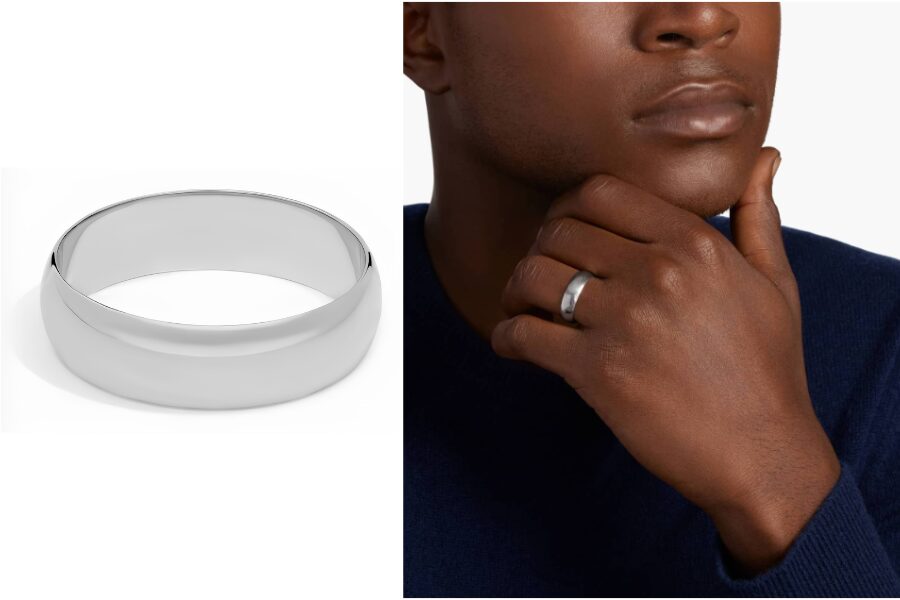
Classic Wedding Ring In
|
|
|
Click On The Image To Reveal Full Details Of This Timeless Classic Wedding Ring In 14K White Gold! |
|
|
10) How to Buy White Gold JewelryGo To Table Of Content |
Buying white gold jewelry involves more than choosing a design that catches your eye. Factors such as gold purity, gemstone quality, craftsmanship, and certification all influence value and long-term satisfaction. Understanding these details helps you select jewelry that matches your budget, style, and expectations.
|
|
10.a) Factors That Affect White Gold Jewelry PricesGo To Table Of Content |
Several factors influence the price of white gold jewelry. Gold content, gemstone quality, design complexity, brand reputation, and craftsmanship all contribute to the final cost of a piece.
Gold Purity and Karat Weight
One of the biggest pricing factors is gold purity. Higher-karat white gold contains a greater percentage of pure gold, which generally increases its value and market price.
For example, 18K white gold usually costs more than 14K or 10K white gold because it contains more precious metal. Weight also matters. A heavier piece typically contains more gold and therefore commands a higher price.
Gemstone Quality and Setting Style
Gemstones can significantly influence the value of white gold jewelry. Diamond quality, gemstone rarity, color, clarity, cut, and carat weight all affect pricing.
The setting style also plays a role. Simple solitaire designs generally cost less than intricate halo, pavé, vintage-inspired, or custom settings that require additional labor and materials.
Brand and Craftsmanship Considerations
Well-known jewelry brands often charge a premium because of their reputation, quality control, and design heritage. In many cases, buyers pay for both the jewelry and the confidence associated with the brand name.
Craftsmanship deserves equal attention. Fine finishing, secure stone settings, precise metalwork, and overall construction quality can make a noticeable difference in both appearance and durability.
|
|
10.b) What to Look for Before BuyingGo To Table Of Content |
Before purchasing white gold jewelry, take time to evaluate the details that matter most. A little research can help you avoid disappointment and choose a piece that delivers lasting value.
Choosing the Right Karat
Your ideal karat depends largely on how you plan to wear the jewelry. Fourteen-karat white gold remains a popular choice because it balances durability, gold content, and affordability.
Eighteen-karat white gold appeals to buyers seeking higher gold purity and luxury appeal. Meanwhile, ten-karat white gold often suits those who prioritize durability and budget-conscious pricing.
Selecting the Right Jewelry Style
Style preferences vary from person to person. Some buyers prefer timeless designs that remain fashionable for decades, while others gravitate toward modern trends and statement pieces.
When evaluating jewelry, consider your lifestyle, wardrobe, and intended use. A design that looks beautiful in a display case should also feel comfortable and practical during everyday wear.
Understanding Certification and Documentation
For diamond jewelry and high-value pieces, certification provides valuable reassurance. Independent grading reports can verify gemstone characteristics and help you compare options objectively.
Documentation also helps establish authenticity and value. Reputable jewelers typically provide invoices, certificates, warranty information, and details about precious metal content.
|
|
10.c) Is White Gold Jewelry a Good InvestmentGo To Table Of Content |
Many buyers wonder whether white gold jewelry qualifies as an investment. While white gold retains intrinsic value because it contains precious metal, jewelry should generally be viewed differently from investment-grade bullion.
Value Retention Factors
Several factors influence how well white gold jewelry retains value. Gold content, gemstone quality, brand reputation, condition, rarity, and market demand all play important roles.
High-quality pieces from respected jewelers often maintain value better than mass-produced jewelry. Proper care and documentation can also support future resale potential.
White Gold Versus Other Precious Metals
Compared with platinum, white gold usually offers a lower purchase price while delivering a similar visual appearance. Against silver, white gold provides greater precious-metal value and stronger long-term durability.
Palladium, platinum, and gold each respond differently to market conditions. As a result, no single precious metal consistently outperforms all others from an investment perspective.
Investment Expectations and Realities
Although white gold contains genuine gold, most jewelry does not appreciate in value the same way rare collectibles or investment bullion sometimes can. Manufacturing costs, retail markups, and design factors influence resale values.
For many buyers, the best return comes from enjoying the jewelry itself. A beautiful white gold ring, bracelet, necklace, or pair of earrings can deliver years of satisfaction while still retaining a portion of its underlying precious-metal value.
|
|
11) White Gold Jewelry Care, Cleaning, and MaintenanceGo To Table Of Content |
White gold jewelry can retain its beauty for many years when you care for it properly. Regular cleaning, safe storage, and routine maintenance help preserve its shine, protect gemstones, and extend the life of the rhodium finish. A few simple habits can keep your white gold jewelry looking its best.
|
|
11.a) Daily Care PracticesGo To Table Of Content |
Daily care plays a major role in preserving the appearance of white gold jewelry. By reducing exposure to damage and storing jewelry properly, you can minimize wear and maintain its polished finish.
Preventing Scratches and Damage
Although white gold is durable, it can still develop scratches through everyday use. Rings and bracelets face the greatest risk because they frequently come into contact with hard surfaces.
Before performing activities such as gardening, exercising, lifting heavy objects, or household cleaning, consider removing your jewelry. A little caution today can help prevent noticeable wear tomorrow.
Safe Storage Methods
Proper storage protects white gold jewelry from scratches and accidental damage. When pieces rub against each other, even precious metals can develop surface marks over time.
Store jewelry in separate compartments, soft pouches, or fabric-lined jewelry boxes whenever possible. Keeping items apart reduces friction and helps preserve their finish.
Wearing White Gold Responsibly
White gold jewelry works well for everyday wear, yet some situations increase the risk of damage. Swimming pools, hot tubs, harsh chemicals, and abrasive materials can affect both gemstones and metal finishes.
Whenever practical, remove jewelry before activities that expose it to unnecessary stress. This simple habit often helps maintain its appearance and structural integrity.
|
|
11.b) Cleaning White Gold JewelryGo To Table Of Content |
Routine cleaning helps remove dirt, oils, lotions, and everyday residue that can dull white gold jewelry. Fortunately, most white gold pieces require only gentle cleaning methods to restore their shine.
Safe Home Cleaning Methods
For routine cleaning, use warm water, mild dish soap, and a soft brush. After gently cleaning the jewelry, rinse it thoroughly and dry it with a soft lint-free cloth.
This simple method works well for many rings, bracelets, necklaces, and earrings. Regular cleaning helps maintain sparkle while reducing the buildup of oils and debris.
Cleaning Products to Avoid
Certain cleaning products can damage jewelry finishes or gemstones. Harsh chemicals, chlorine bleach, abrasive cleaners, and rough polishing compounds should generally stay away from white gold jewelry.
Some gemstones also react poorly to aggressive cleaning methods. When in doubt, use a mild cleaning solution or seek professional guidance rather than experimenting with stronger products.
Professional Cleaning Services
Professional jewelers can clean jewelry more thoroughly using specialized equipment and techniques. During the process, they often inspect gemstones, prongs, clasps, and settings for potential issues.
Many jewelry owners schedule professional cleaning once or twice a year. This service helps maintain appearance while identifying small problems before they become costly repairs.
|
|
11.c) Long-Term MaintenanceGo To Table Of Content |
White gold jewelry benefits from occasional professional maintenance. Regular inspections and timely repairs can preserve both appearance and structural integrity over the years.
Rhodium Replating Schedule
Because rhodium plating gradually wears away, many white gold pieces eventually require replating. Rings usually need this service more frequently than earrings or necklaces because they experience greater daily contact.
Depending on wear habits, replating may become necessary every one to three years. A fresh rhodium coating restores the bright white finish that many buyers associate with white gold jewelry.
Stone and Setting Inspections
Gemstones remain secure only when their settings stay in good condition. Over time, normal wear can loosen prongs, clasps, and other supporting components.
A professional inspection can identify these issues before a gemstone becomes lost. Many jewelers recommend checking valuable jewelry at least once a year.
Extending the Life of White Gold Jewelry
Long-lasting white gold jewelry usually results from consistent care rather than complicated maintenance. Gentle cleaning, proper storage, routine inspections, and timely repairs all contribute to longevity.
Think of jewelry care much like routine vehicle maintenance. Small preventive steps often help avoid larger problems and allow your favorite white gold pieces to remain beautiful for generations.
|
|
12) White Gold Jewelry Myths, Facts, and Common MisconceptionsGo To Table Of Content |
White gold jewelry often attracts confusion because many buyers misunderstand its composition, durability, and value. Several myths continue circulating despite being inaccurate or incomplete. Understanding the facts can help you make smarter jewelry-buying decisions and avoid common misunderstandings.
|
|
12.a) Popular Myths About White GoldGo To Table Of Content |
Many misconceptions about white gold stem from assumptions about its color, purity, and relationship to other precious metals. Separating fact from fiction allows you to evaluate white gold jewelry more confidently.
Is White Gold Fake Gold
One of the most common myths claims that white gold is not real gold. In reality, white gold contains genuine gold mixed with white alloy metals such as palladium, silver, nickel, or zinc.
The karat stamp tells you exactly how much gold the jewelry contains. Whether a piece is 10K, 14K, or 18K white gold, it remains authentic gold jewelry. The difference lies only in the percentage of gold and the alloy metals used.
Does White Gold Tarnish
Many people confuse white gold with sterling silver and assume it tarnishes in the same way. White gold does not typically develop the dark tarnish associated with silver because of its gold content.
Over time, however, the rhodium plating can wear away and reveal the slightly warmer color of the underlying alloy. This change does not mean the jewelry has tarnished. It simply indicates that the rhodium finish may need refreshing.
Is White Gold Better Than Platinum
Some buyers believe white gold automatically surpasses platinum, while others assume the opposite. In truth, neither metal is universally better because each offers different advantages.
White gold usually costs less and provides excellent value, while platinum offers natural whiteness, greater density, and higher purity. The better choice depends on your budget, preferences, lifestyle, and maintenance expectations.
|
|
12.b) Facts Every Buyer Should KnowGo To Table Of Content |
Understanding a few key facts can help you evaluate white gold jewelry more accurately. These practical insights often matter more than popular opinions or marketing claims.
Understanding White Gold Value
White gold derives much of its value from the amount of gold it contains. Higher-karat white gold generally carries greater intrinsic precious-metal value because it includes a larger percentage of pure gold.
Additional factors such as gemstones, craftsmanship, brand reputation, rarity, and design quality also influence price. A beautiful piece often reflects more than just its gold content.
Understanding White Gold Maintenance
Unlike platinum, most white gold jewelry requires occasional rhodium replating to maintain its bright white finish. This maintenance forms a normal part of long-term ownership and should not come as a surprise.
Fortunately, routine care remains relatively simple. Regular cleaning, proper storage, and periodic inspections help preserve both appearance and durability.
Understanding White Gold Longevity
When properly maintained, white gold jewelry can last for generations. The underlying gold alloy remains durable and continues to hold value long after the original purchase.
Many heirloom rings, bracelets, necklaces, and earrings demonstrate this longevity. Like a well-made timepiece that keeps ticking through the years, quality white gold jewelry often remains beautiful and wearable for decades.
Set 13
|
|
13) ConclusionGo To Table Of Content |
White gold jewelry continues to attract buyers because it combines the value of real gold with a bright, modern appearance. Its versatility, durability, and compatibility with diamonds and colored gemstones make it one of the most popular choices in fine jewelry. Whether you are shopping for an engagement ring, wedding band, bracelet, necklace, or earrings, white gold offers lasting appeal and excellent value.
|
|
13.a) Why White Gold Jewelry Continues to EndureGo To Table Of Content |
Fashion trends change constantly, yet white gold remains a trusted choice across generations. Its ability to balance elegance, practicality, and affordability helps explain why it continues to hold a strong position in the jewelry market.
Beauty, Versatility, and Timeless Appeal
White gold delivers a clean and sophisticated appearance that works well with almost every jewelry style. From classic solitaire engagement rings to modern designer pieces, its neutral color complements both diamonds and colored gemstones.
Many precious metals experience shifts in popularity, yet white gold consistently remains relevant. Its bright finish and understated elegance allow it to fit comfortably into both traditional and contemporary designs.
Practical Benefits for Modern Buyers
Beyond appearance, white gold offers several practical advantages. It provides the prestige of genuine gold while often costing less than platinum, making it accessible to a broader range of buyers.
Its durability also supports everyday wear. When paired with proper care and occasional rhodium maintenance, white gold jewelry can remain attractive and functional for many years.
Choosing the Right White Gold Jewelry for Your Needs
The best white gold jewelry depends on your personal preferences, lifestyle, and budget. Factors such as karat purity, gemstone selection, design style, and maintenance expectations all play an important role in the decision-making process.
Before making a purchase, take time to compare options and understand what matters most to you. A carefully chosen piece can become a favorite accessory, a meaningful gift, or even a treasured family heirloom passed from one generation to the next.
|
|
14) Frequently Asked Questions About White Gold JewelryGo To Table Of Content |
White gold jewelry raises many questions about authenticity, maintenance, durability, and value. These frequently asked questions address common concerns and help buyers make informed decisions before purchasing white gold rings, necklaces, bracelets, earrings, and other fine jewelry.
|
|
14.a) White Gold Jewelry Buying QuestionsGo To Table Of Content |
Many first-time buyers want to understand how white gold compares with other precious metals and whether it offers good long-term value. These answers cover some of the most common questions people ask before making a purchase.
Is White Gold Real Gold
Yes, white gold is real gold. Manufacturers create white gold by mixing pure gold with white alloy metals such as palladium, silver, nickel, or zinc to improve strength and create a lighter color.
The amount of gold depends on the karat rating. For example, 14K white gold contains approximately 58.5 percent pure gold, while 18K white gold contains approximately 75 percent pure gold.
Does White Gold Jewelry Tarnish
White gold does not usually tarnish the way sterling silver does. Because it contains gold, it resists the dark surface discoloration commonly associated with silver jewelry.
Over time, however, the rhodium plating may wear away and reveal the slightly warmer color of the underlying alloy. This change affects appearance but does not indicate true tarnishing.
How Long Does Rhodium Plating Last
The lifespan of rhodium plating depends on wear habits, jewelry type, and daily activity. Rings often show wear sooner than earrings or necklaces because they experience more contact with hard surfaces.
For many people, rhodium plating lasts between one and three years before replating becomes necessary. Proper care can help extend its lifespan.
|
|
14.b) White Gold Jewelry Care QuestionsGo To Table Of Content |
Proper maintenance helps preserve the beauty and durability of white gold jewelry. Understanding how to care for your jewelry can prevent unnecessary wear and keep it looking attractive.
Can White Gold Be Resized
In most cases, jewelers can resize white gold rings successfully. The process typically involves adding or removing a small amount of metal and then restoring the ring’s finish.
After resizing, the jeweler often reapplies rhodium plating so the altered area matches the rest of the ring. Complex designs may require additional work, though resizing remains possible in many situations.
How Often Should White Gold Be Replated
There is no single schedule that works for everyone because wear patterns differ from person to person. Jewelry worn daily generally requires more frequent maintenance than pieces reserved for special occasions.
Many jewelers recommend inspecting white gold jewelry annually and considering replating whenever the bright white finish begins to fade. Rings often require the most frequent attention.
How Do You Clean White Gold Jewelry
A simple mixture of warm water and mild dish soap works well for routine cleaning. After soaking briefly, gently clean the jewelry with a soft brush and rinse thoroughly with clean water.
Once cleaned, dry the piece using a soft lint-free cloth. Avoid harsh chemicals, abrasive cleaners, and rough scrubbing materials that may damage the finish or gemstones.
|
|
14.c) White Gold Jewelry Comparison QuestionsGo To Table Of Content |
Comparisons help buyers understand how white gold fits within the broader precious metal market. These answers highlight some of the most important differences between white gold and other popular jewelry metals.
Is White Gold Better Than Platinum
Neither metal is universally better because each offers unique advantages. White gold generally costs less and provides excellent value, while platinum offers greater purity, natural whiteness, and a heavier feel.
Your choice depends on budget, personal preferences, maintenance expectations, and lifestyle. Both metals remain excellent options for fine jewelry.
Is White Gold Better Than Yellow Gold
White gold and yellow gold contain genuine gold, yet they appeal to different tastes. White gold provides a modern, bright appearance, while yellow gold offers a classic and traditional look.
From a quality perspective, neither metal automatically surpasses the other. Most buyers choose based on style preferences, gemstone pairing, and personal taste.
Is White Gold Worth Buying
For many buyers, white gold represents an excellent balance of beauty, durability, and affordability. It offers the prestige of genuine gold while providing a bright appearance that works well with diamonds and colored gemstones.
If you appreciate a modern look and do not mind occasional rhodium maintenance, white gold can be a rewarding long-term jewelry choice. Its popularity in engagement rings, wedding bands, necklaces, bracelets, and earrings reflects its enduring appeal.
| The Metal Platinum | Platinum Jewelry |
| Palladium Metal Attributes | Rhodium Metal Attributes |
| White Gold | Rose Gold |
| Silver And Sterling Silver | Titanium |
| Black Gold Jewelry |